
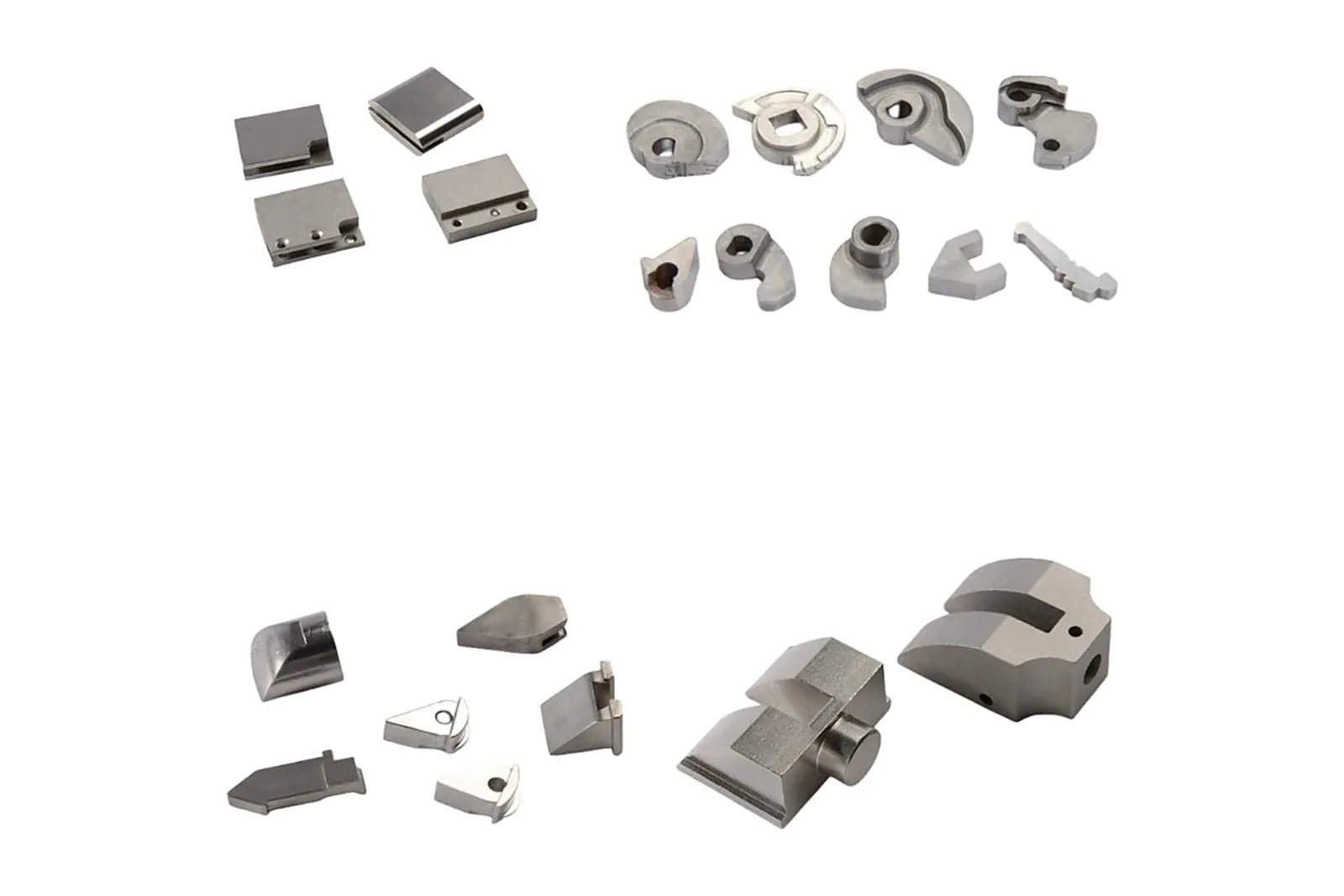
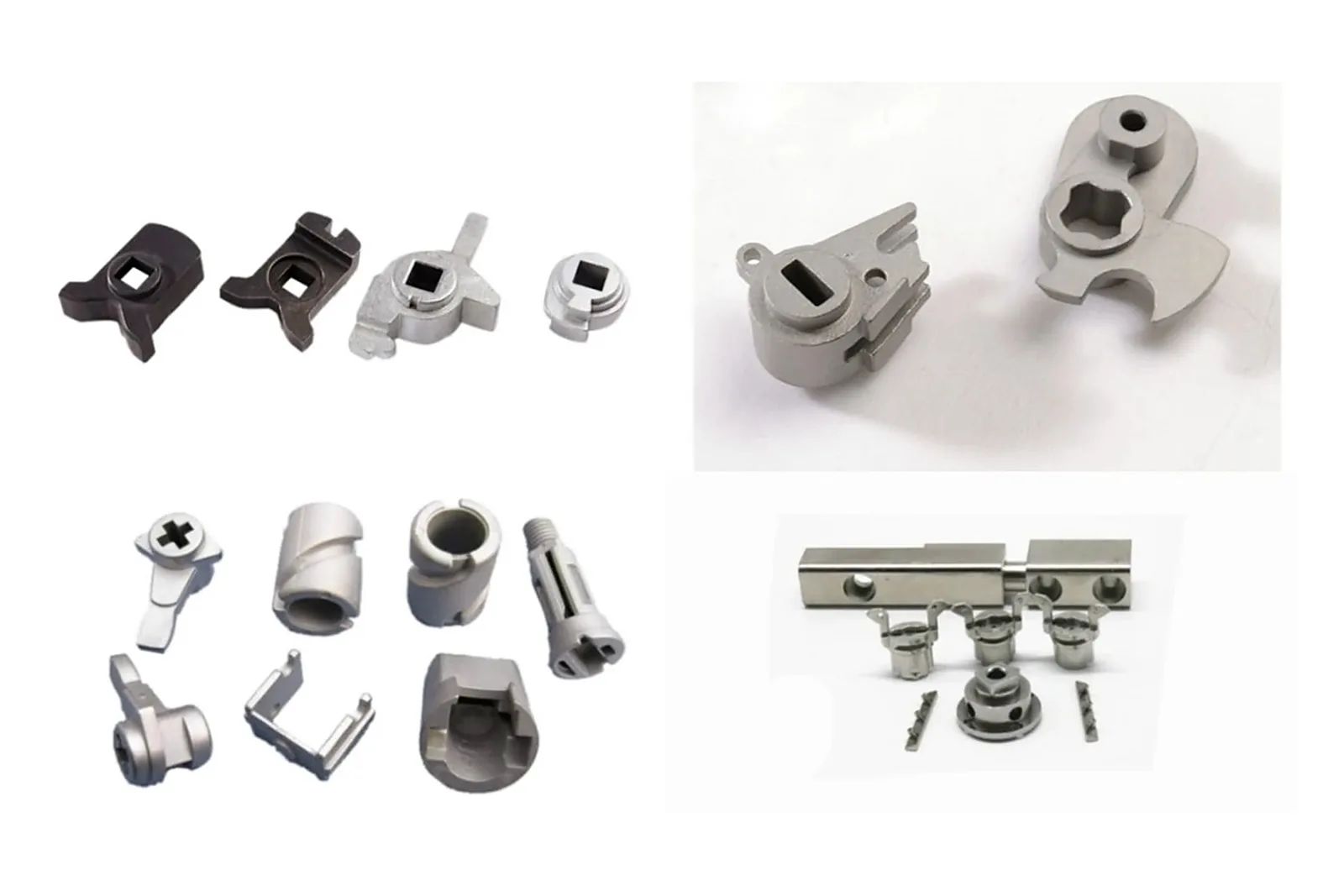
Lock Component Manufacturing →
MIM, PM and machining review for cams, latches and lock hardware.
Practical engineering guidance for choosing a manufacturing route, defining material and tolerance requirements, reviewing samples, preparing RFQs and connecting a component question to the right SINTS capability, product family or industry guide.
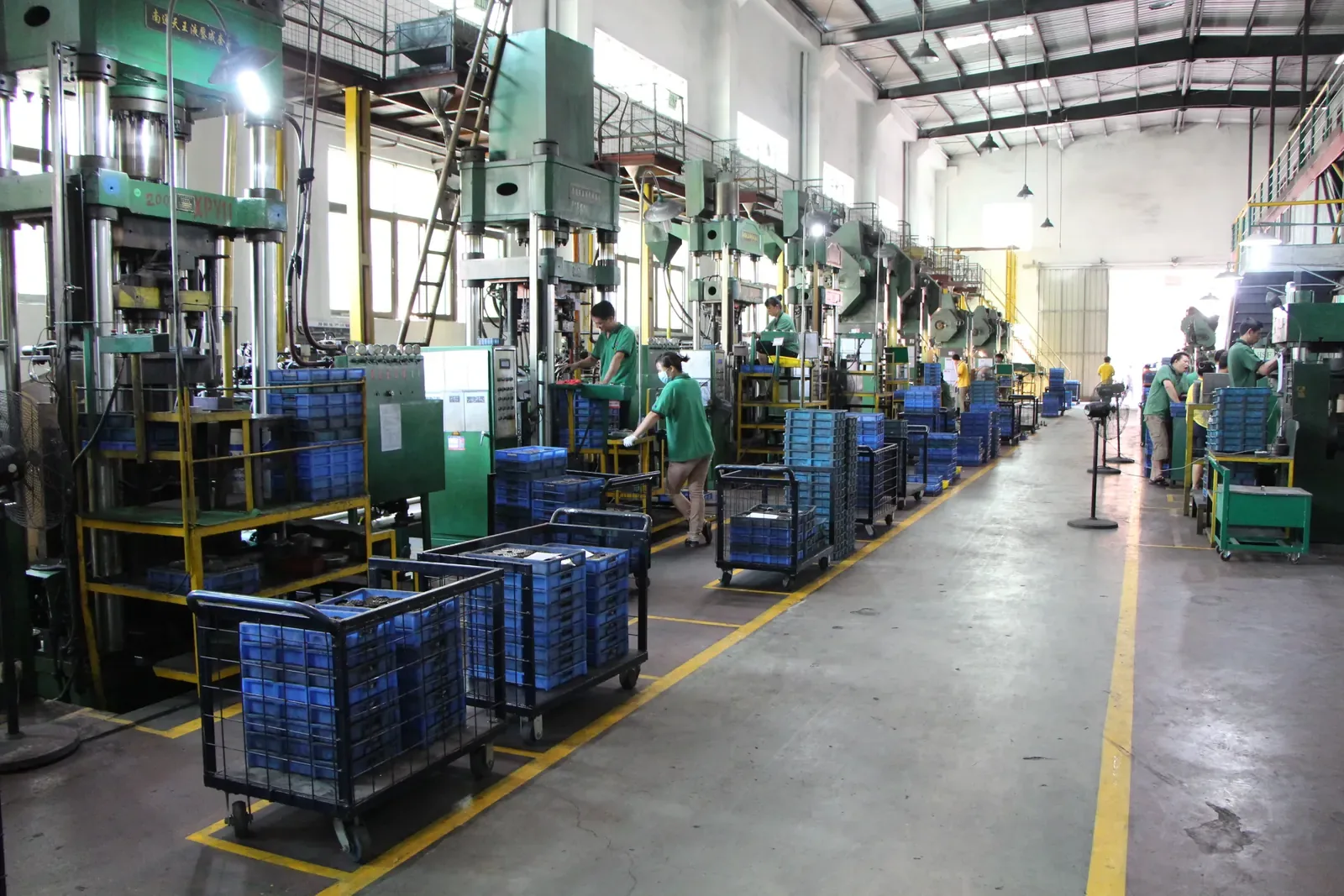
Start here when the drawing exists but the manufacturing route is still open. Compare geometry, material, tolerance, annual volume and functional risk before choosing MIM, PM, CNC or a hybrid chain.
Compare MIM, powder metallurgy, CNC, and hybrid routes for small parts.
→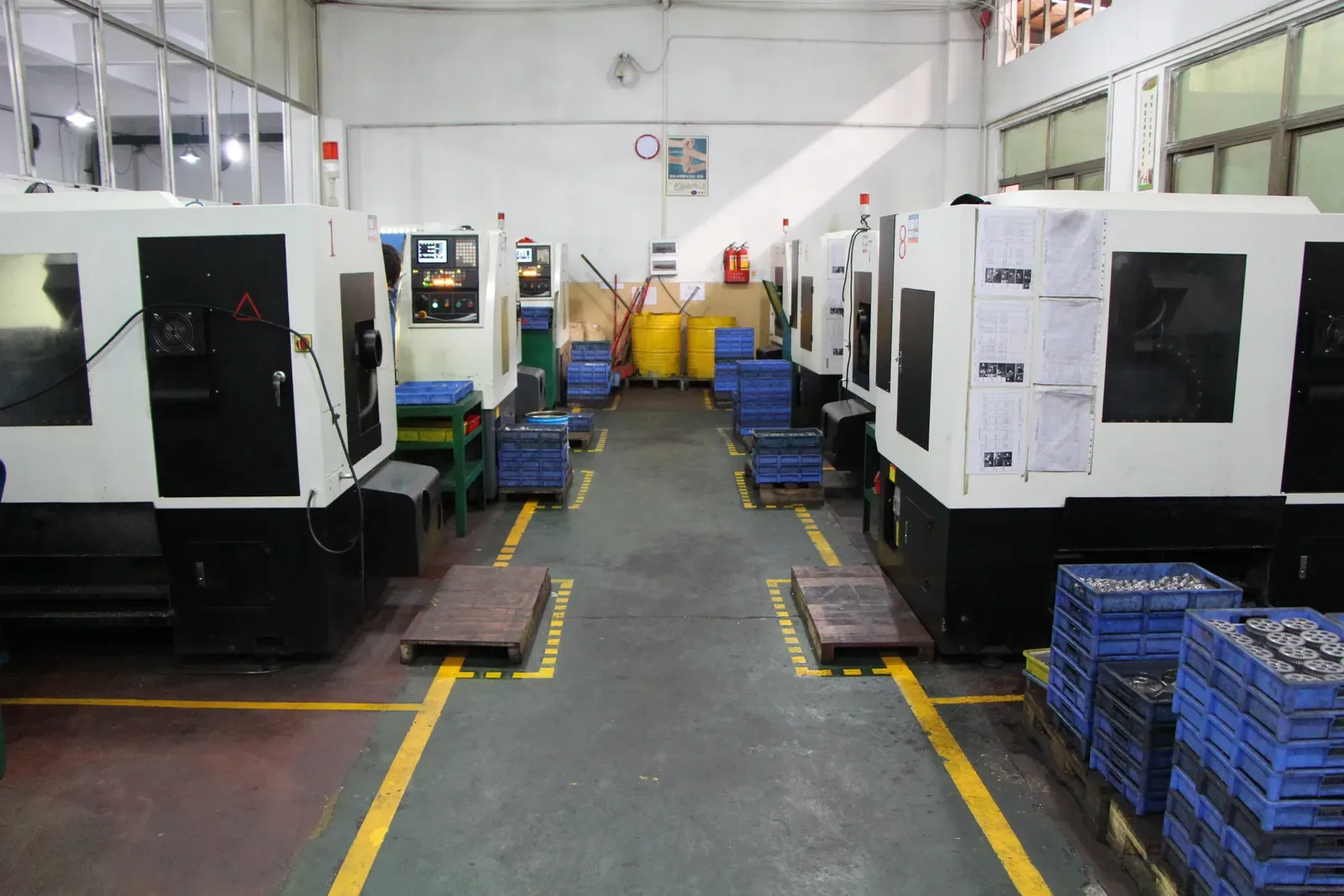
A practical guide to choosing the right route — with SINTS as a solution provider, not a one-process seller.
→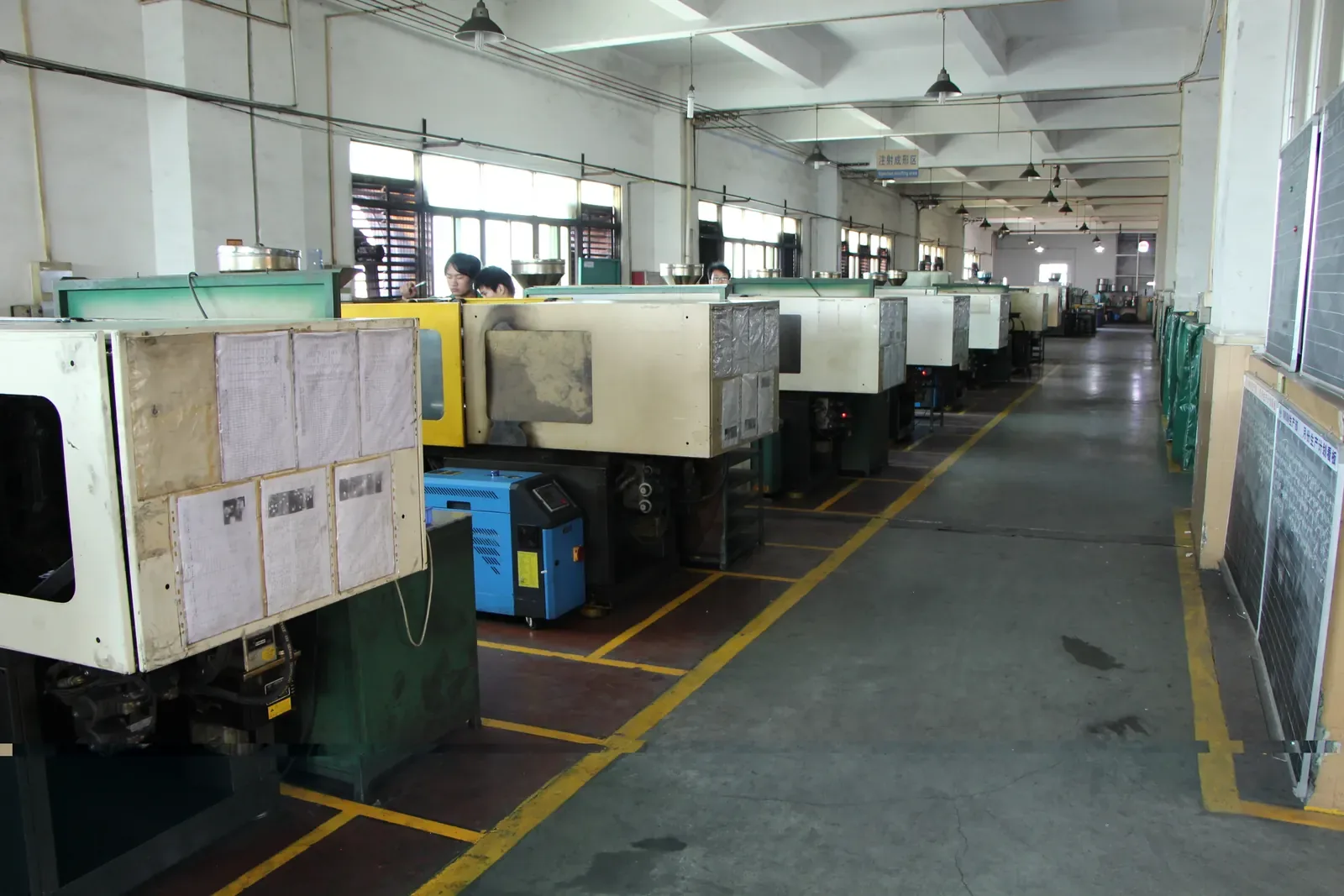
MIM process, advantages, limits, and typical applications for OEM buyers.
→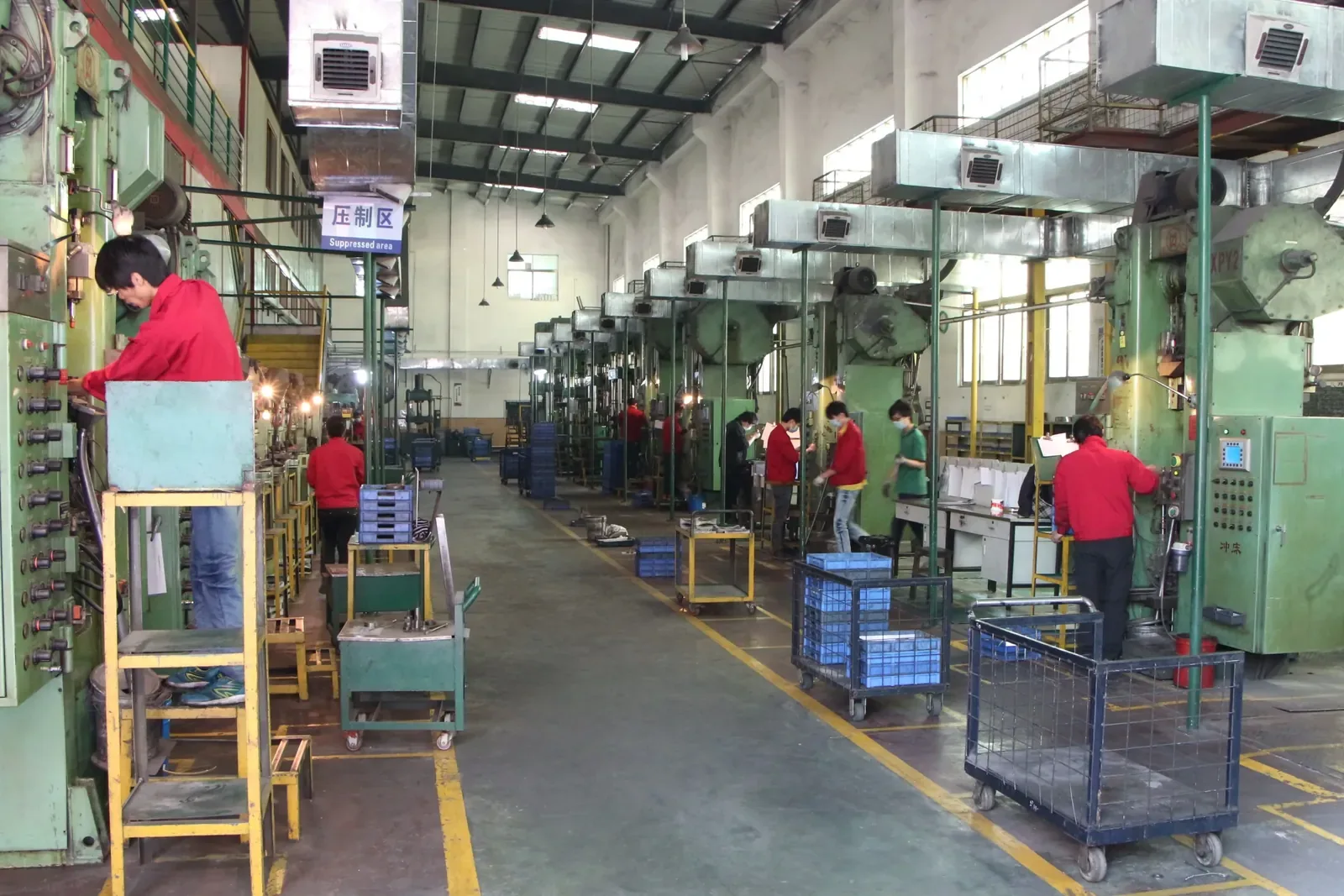
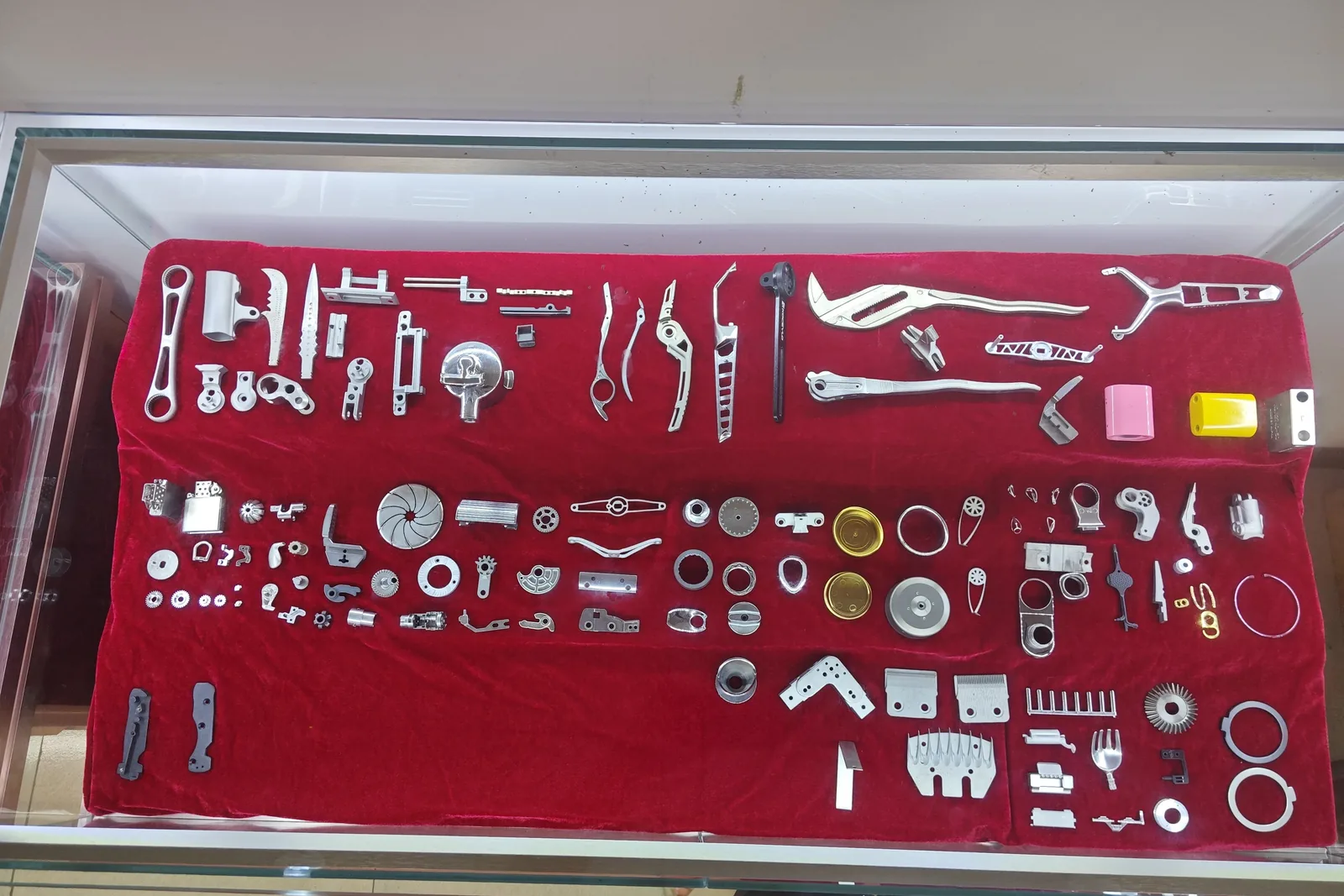
Compaction, sintering, finishing, advantages, limits, and typical applications.
→
Use annual volume, geometry, tooling economics, and repeatability to choose a route.
→Use these guides when material behavior, MIM design rules, tolerance strategy or secondary finishing is driving the engineering decision.
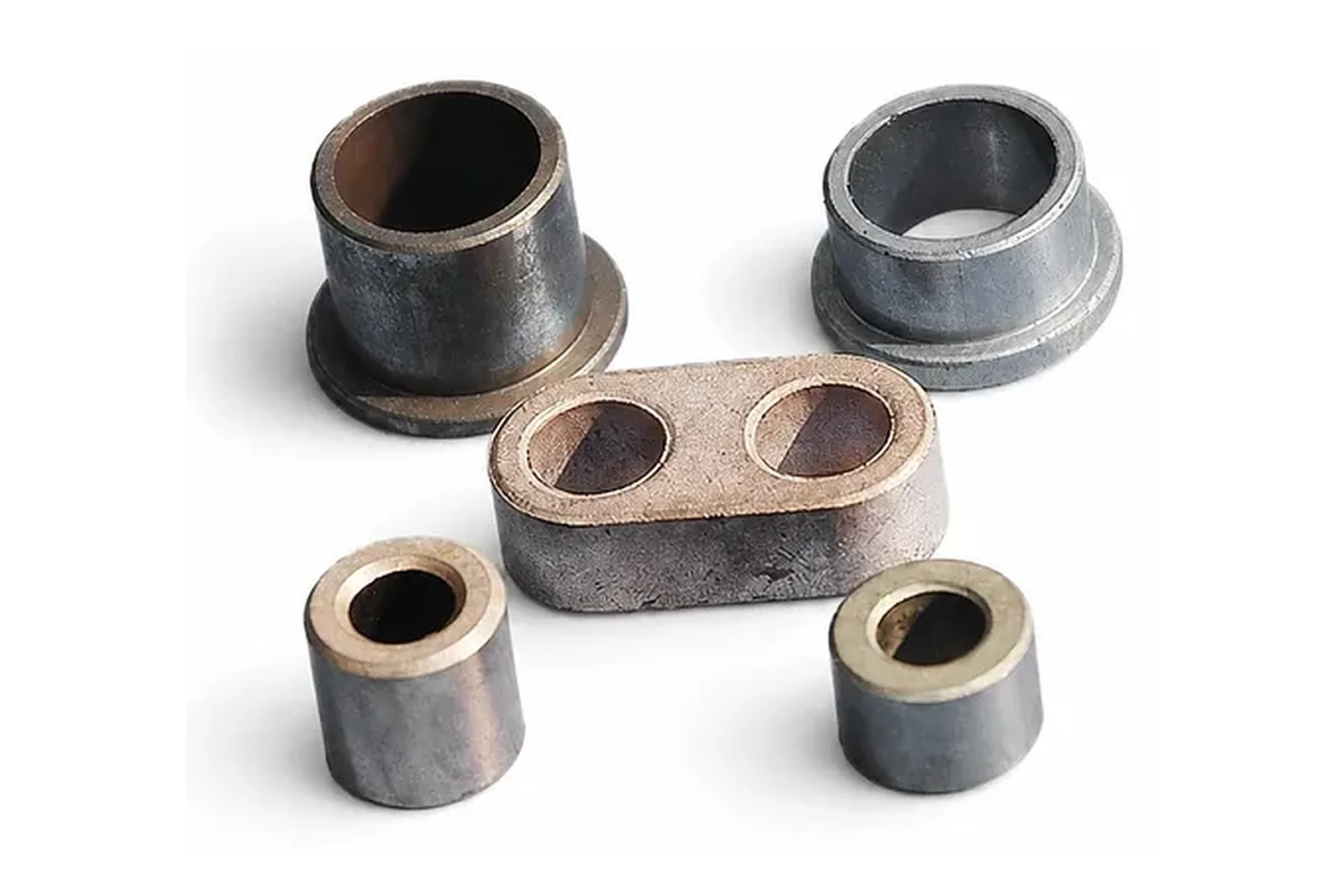
Stainless, low-alloy, magnetic and specialty grades — properties, shrinkage and RFQ notes.
→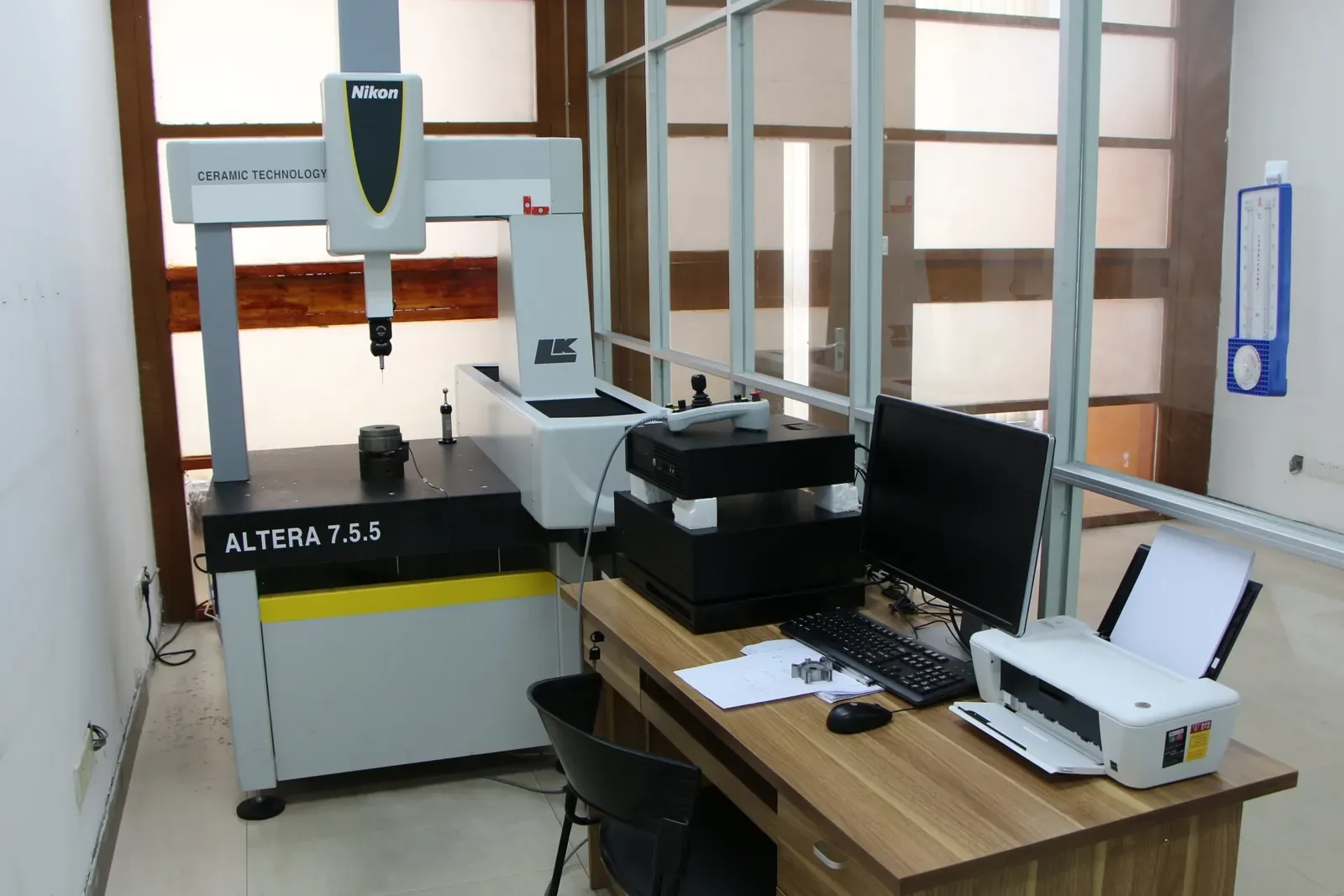
Tolerance ranges, wall thickness limits, hole and thread rules, and RFQ specification best practices.
→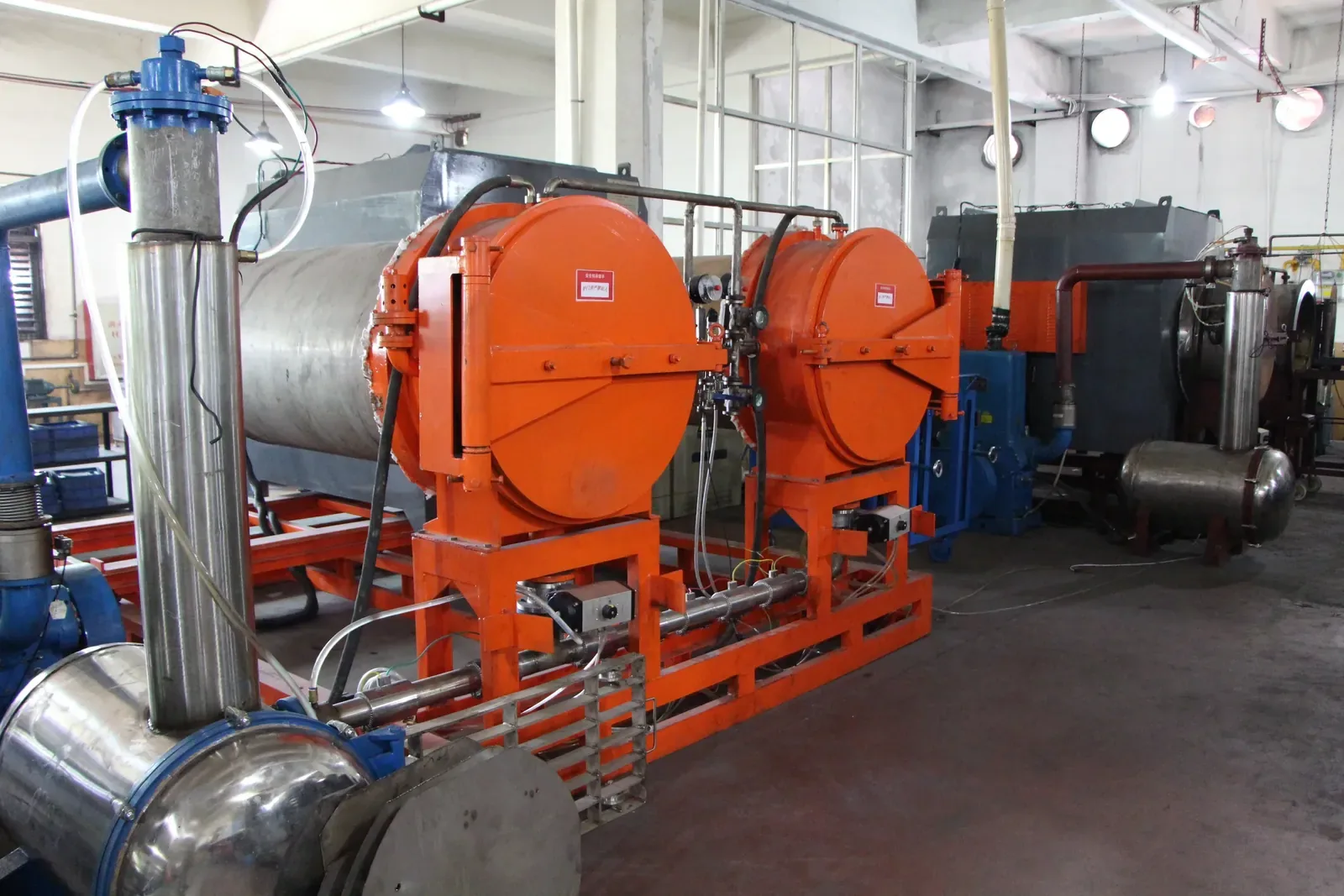
Choose finishing, passivation, polishing, heat treatment, coatings, and inspection for production parts.
→Translate a technically viable process into a controllable sourcing program with clearer RFQ inputs, sample review criteria and total-cost planning.
A practical checklist for drawings, material, volume, finish, tolerances, and sampling.
→
Review samples against drawings, fit, finish, function, and production requirements.
→
Use geometry, volume, tolerances, and process planning to control total program cost.
→When the engineering question has moved from “which process?” to “how should this kind of part be made?”, continue into the functional Product Library.
Spur, helical, bevel and integrated transmission components.
Product family →Bearing sleeves, flanged bushings and press-and-sinter structural parts.
Product family →Links, levers, pawls, cams, forks, latches and retainers.
Product family →Moving interfaces where fit, straightness, surfaces and integrated geometry matter.
Product family →Valve-adjacent parts, plungers, guides and dispensing mechanisms.
Product family →Brackets, carriers, hinges, inserts and compact interfaces.
Product family →Blades, wear inserts and hard-contact parts with material and heat-treatment boundaries.
Product family →Drawing-based parts that need open process comparison before tooling.
Product family →Explore application guides for equipment functions and operating conditions, then use Product Categories to compare component geometries and manufacturing routes.
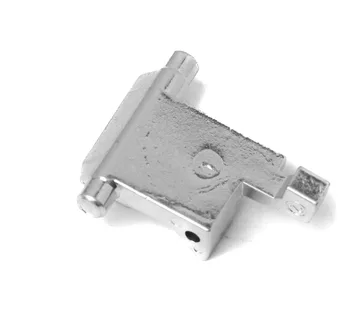
Explore housings, probe sleeves, connector shells, brackets, and shielding components.
→
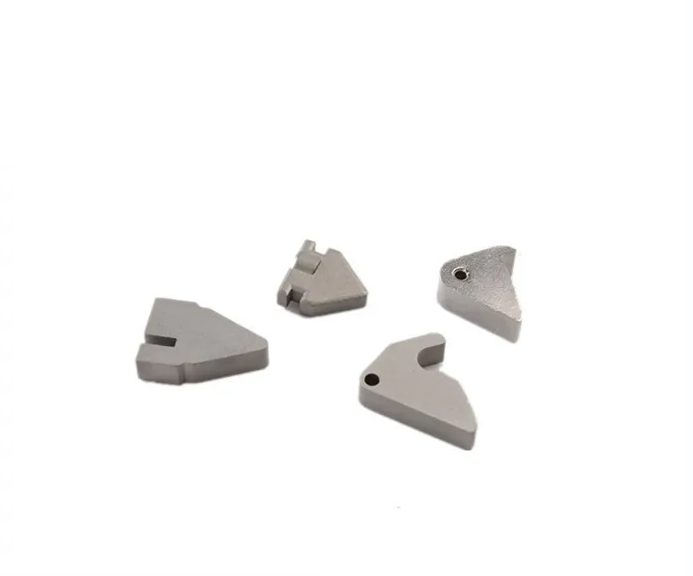
Wedges, links, pawls, guides and small mechanism parts.
→
Spring bolts, deadbolts, cylinder parts and smart-lock hardware.
→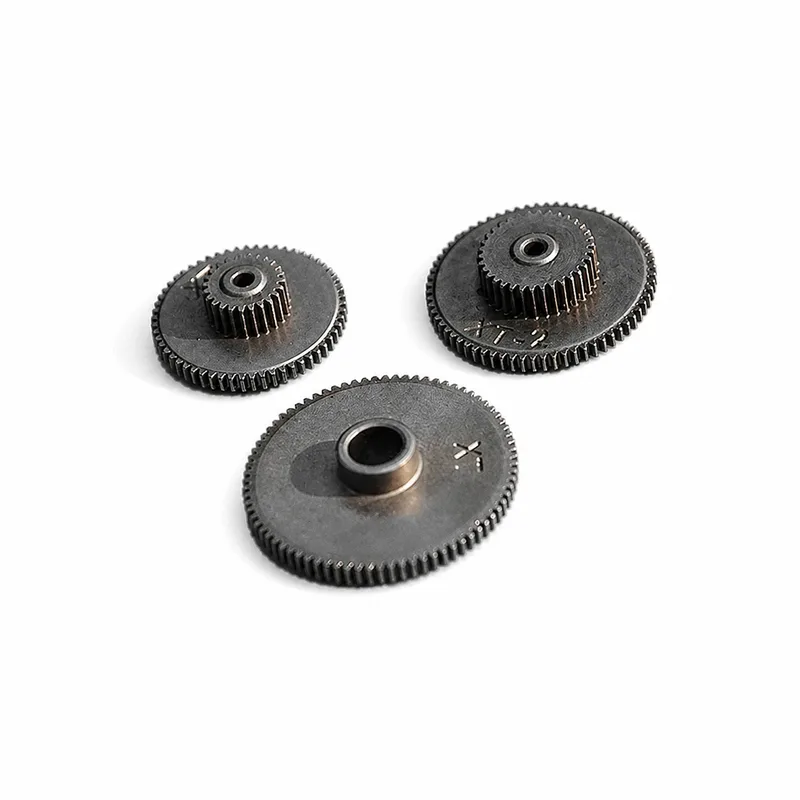
Drive, gear, bushing and compact outdoor mechanism components.
→
Pawls, links, forks, guides and fastening-tool mechanism parts.
→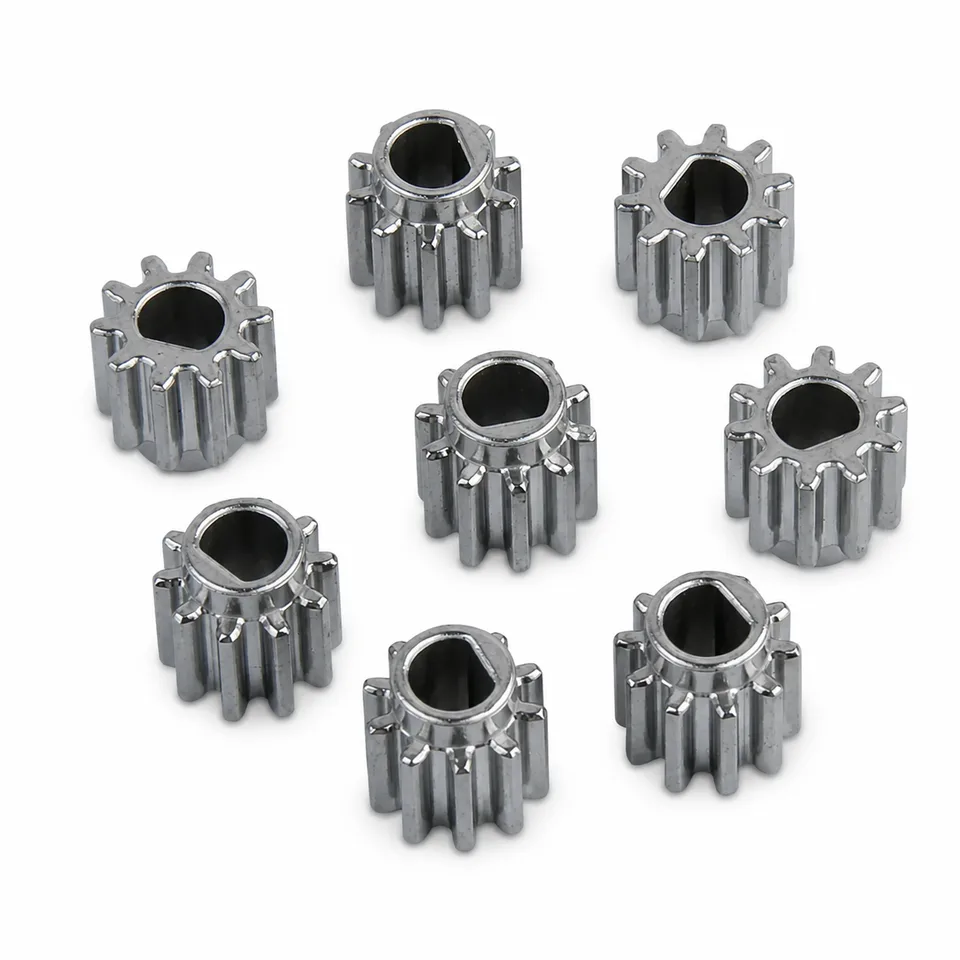
Gears, links, pivots and compact high-cycle drive components.
→
Stainless connection, locating and adjustment hardware for sports equipment assemblies.
→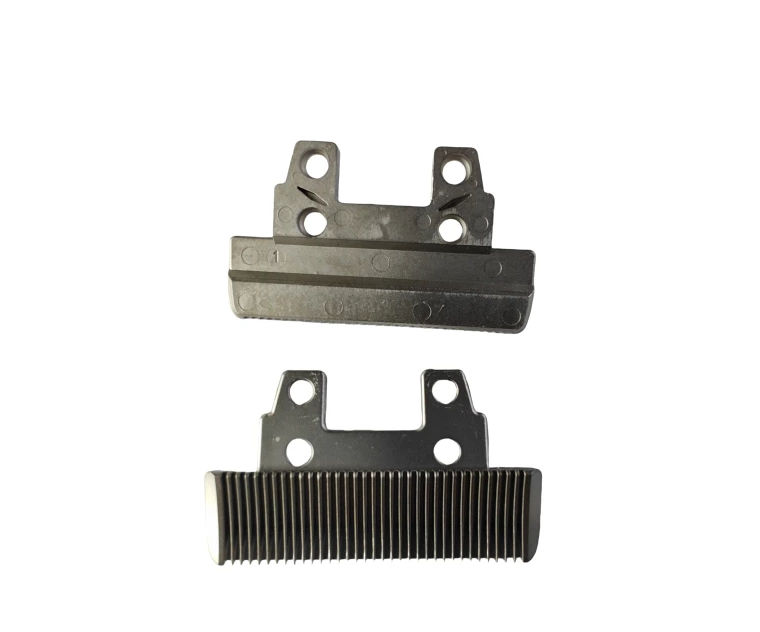
Hair-clipper blade and grooming-tool components for drawing-based review.
→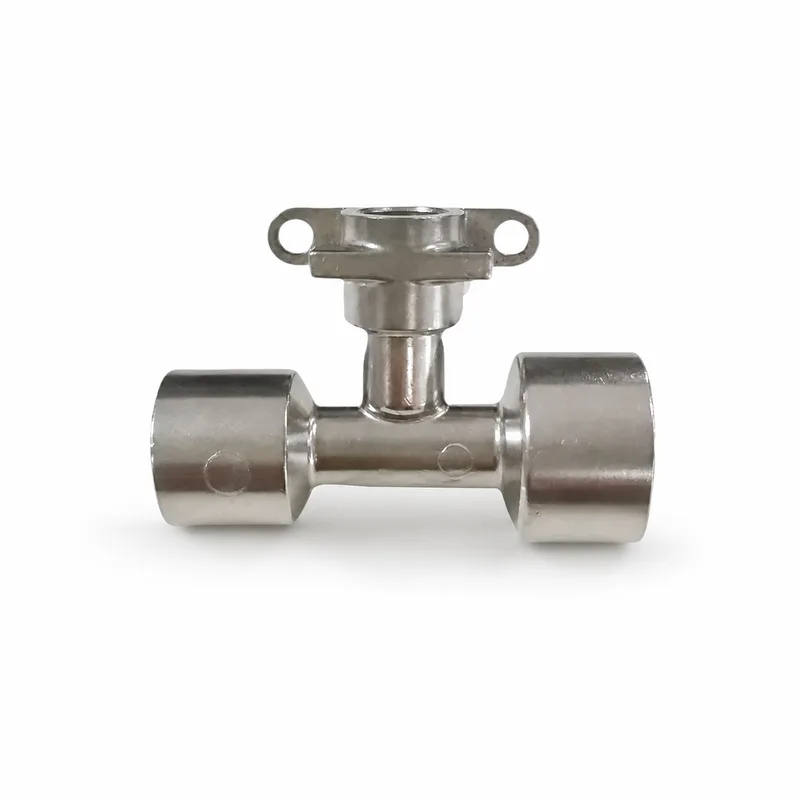
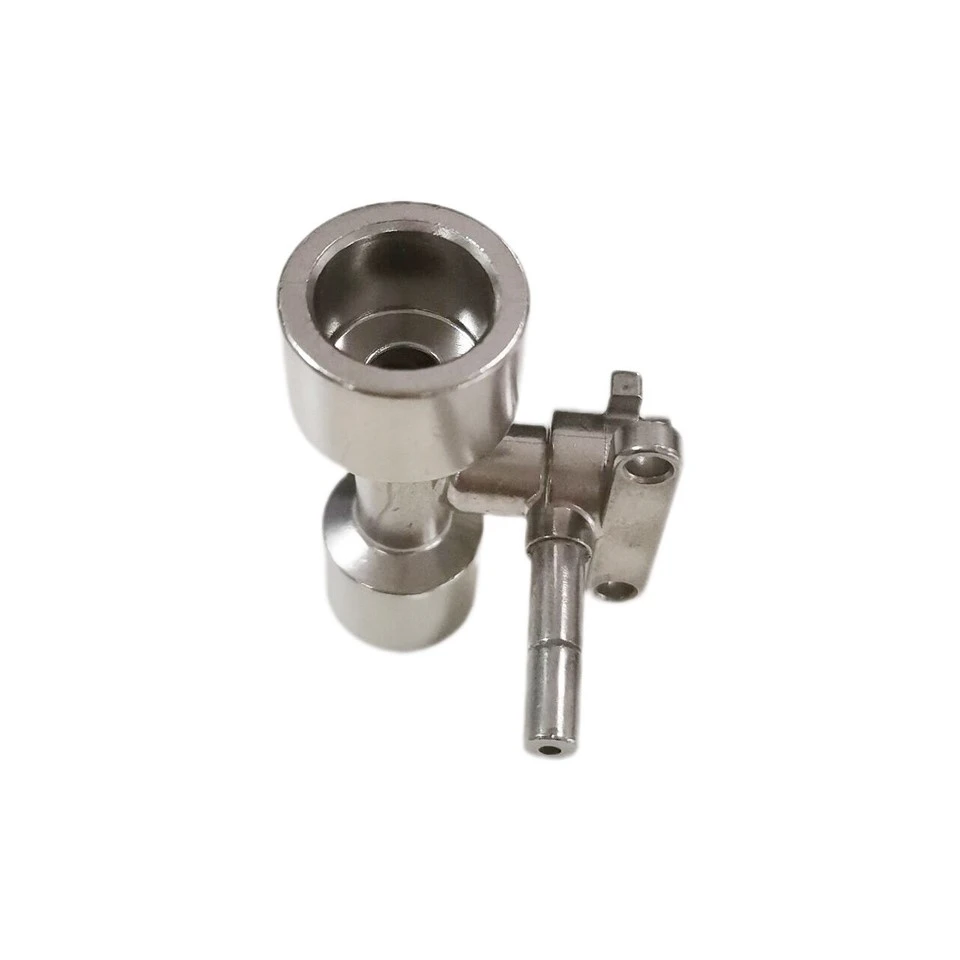
Stainless fluid-path, valve, connector and actuator components.
→Short answers that help route an engineering or sourcing question to the right guide.
Start with the manufacturing-route guide. The first screening inputs are geometry, material, critical tolerances, functional surfaces, annual volume and current manufacturing pain point.
No. These are engineering application guides. They explain component functions, operating conditions and process-selection questions rather than individual customer projects.
Send the drawing or 3D model together with material, annual volume, critical dimensions, mating information and any heat-treatment, finishing or inspection requirements. SINTS can then review manufacturability and process options.
MIM, PM and machining review for cams, latches and lock hardware.
Geometry, finish and project-specific validation for precision instrument parts.