Practical pressing direction
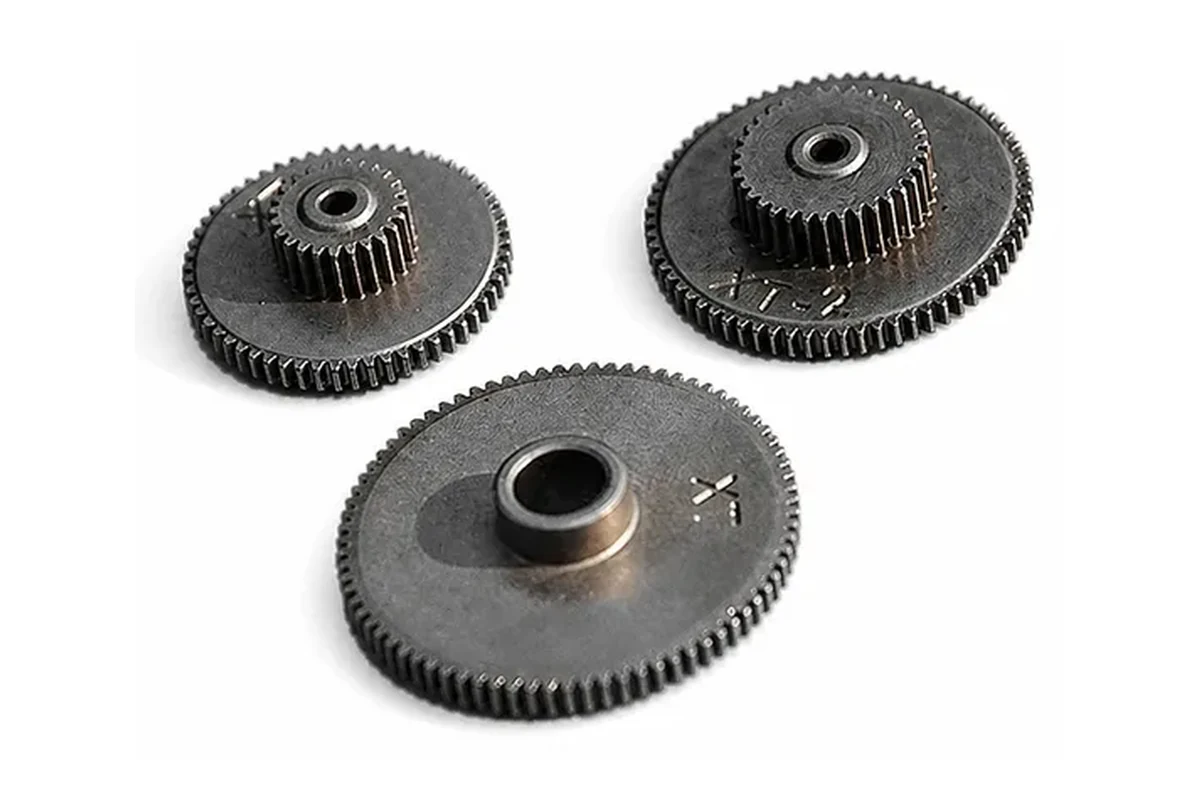
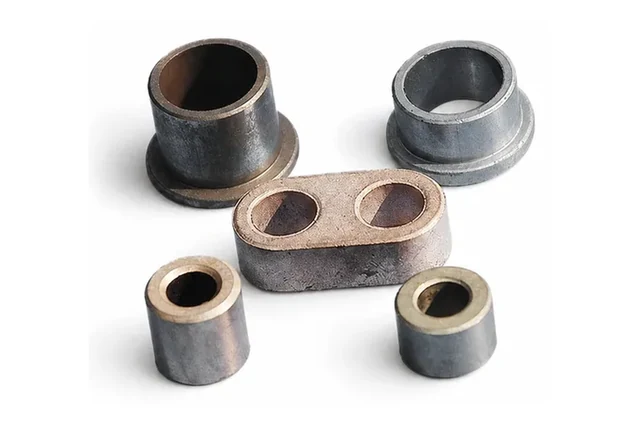
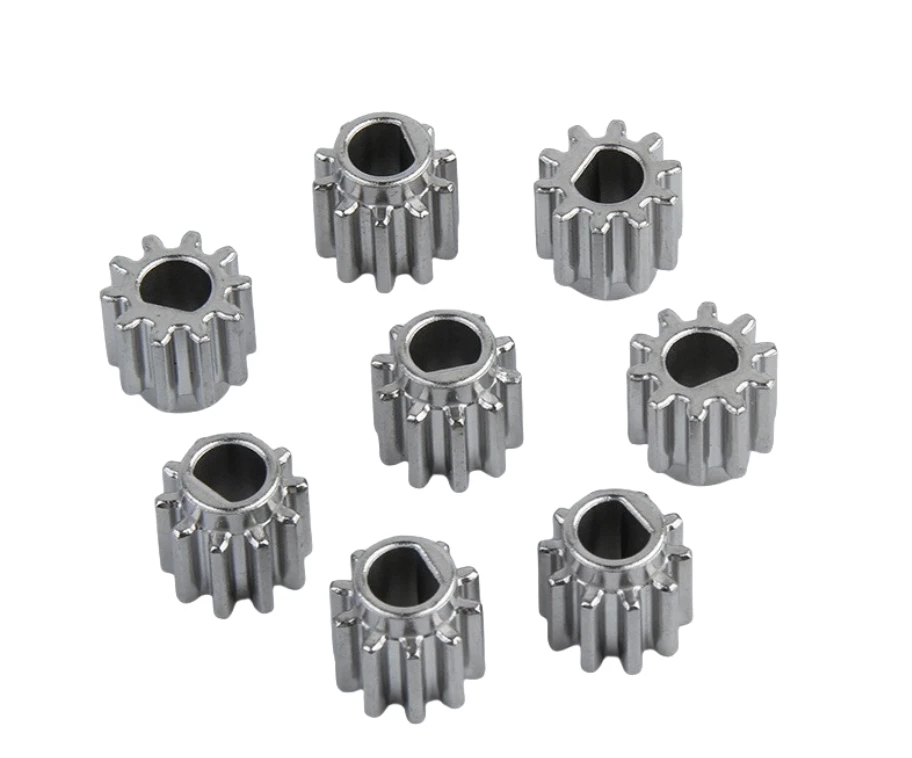
Gears, bushings and structural profiles that can be compacted and ejected with suitable tooling.
SINTS supports conventional press-and-sinter powder metallurgy for drawing-based OEM components. Pressing geometry, final density, load, material condition and secondary operations determine whether PM is the right route.
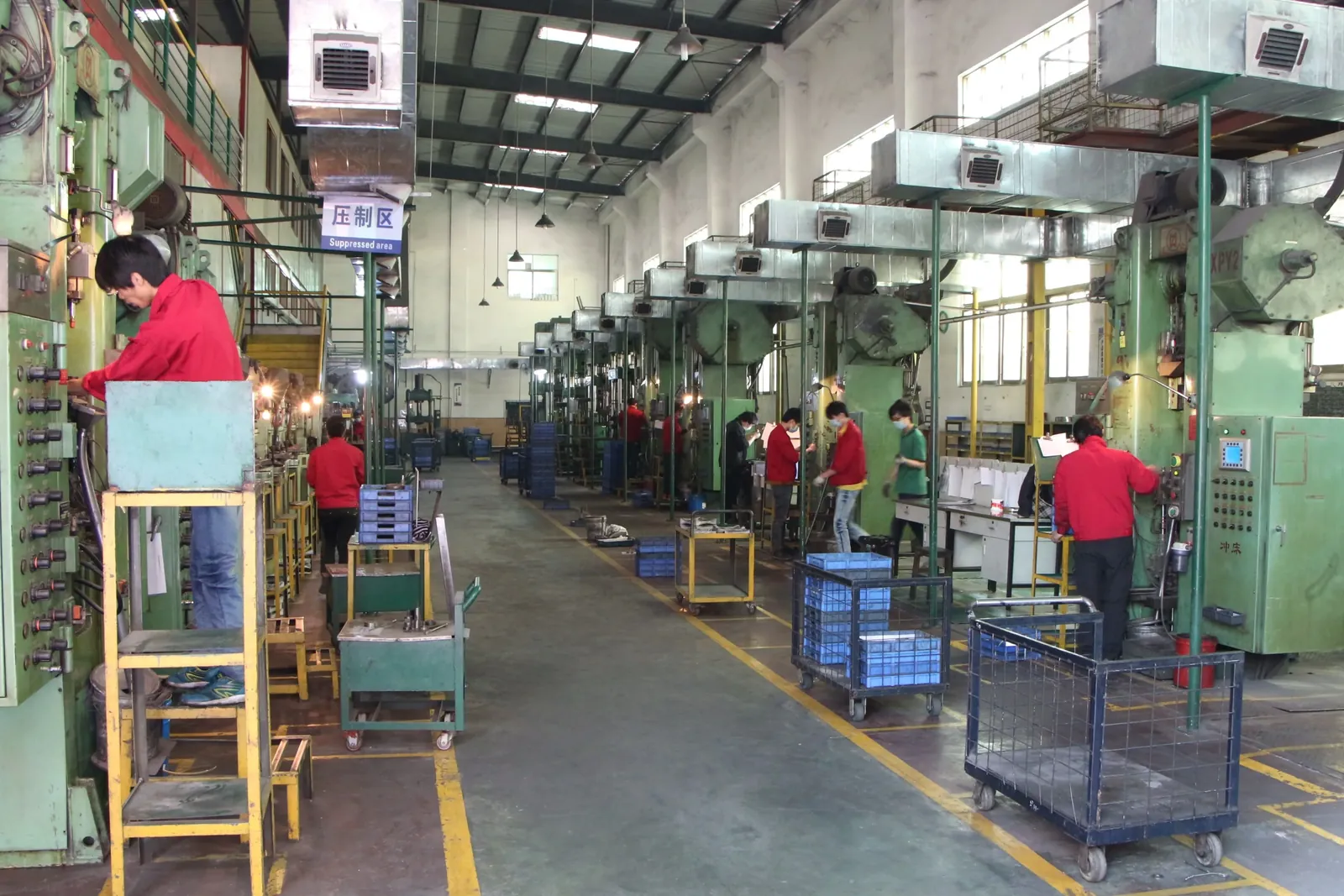
Gears, bushings and structural profiles that can be compacted and ejected with suitable tooling.
Density and porosity requirements selected for strength, wear, lubrication and the actual duty.
Stable quantities and interfaces that make tooling, sizing and any finishing worthwhile.
Agree alloy, density requirements, pressing direction and the die/punch arrangement.
Press powder into the intended profile and verify the requirements for handling and ejection.
Sinter to the selected material and process plan; agree any heat treatment or sizing.
Machine or finish critical features where needed, inspect the agreed characteristics and prepare shipment records.
Specify the iron-based or other material system, final density, heat treatment, hardness and any surface protection. The SINTS library includes a documented PM FD-05N2C-360 reference; the exact alloy and acceptance values are agreed for the project.
Heat treatment, sizing, machining, grinding and surface finishing are selected for the required features. Supporting operations may use in-house or qualified resources according to the program.
Review material references →Define datums, critical dimensions, material properties, cosmetic requirements and functional checks before samples are approved. Dimensional reports, material records, FAI and customer-required PPAP are planned according to the program.
SINTS holds ISO 9001 quality management system certification for the Zhongshan manufacturing scope and IATF 16949:2016 certification for the Zhongshan powder-metallurgy manufacturing scope. Review current certificates and project requirements during supplier qualification.
Quality system and documents →Conventional single-axis compaction has pressing and ejection constraints. A transverse hole or undercut may require secondary machining or special tooling; compare that complete route with MIM or machining.
Specify tooth requirements, bore fits, face datums and runout separately from the general profile. Sizing, machining or tooth finishing may be required for the final duty.
No. Porosity, impregnation, material, shaft fit and operating conditions must be specified for the bearing function. The process name alone does not establish lubrication performance.
Dimensional reports, material records, FAI and customer-required PPAP can be planned by program. Current Zhongshan PM certification scope documents are available for supplier qualification.
Include your 2D drawing and 3D model where available, material or property targets, sample and annual quantities, critical dimensions, finish, application and target timing. If a requirement is undecided, tell us what needs a recommendation.
Tooling, MOQ, delivery timing and final capability are confirmed for the specific drawing and program.