
By SINTS · Drawing-based engineering and sourcing guidance.
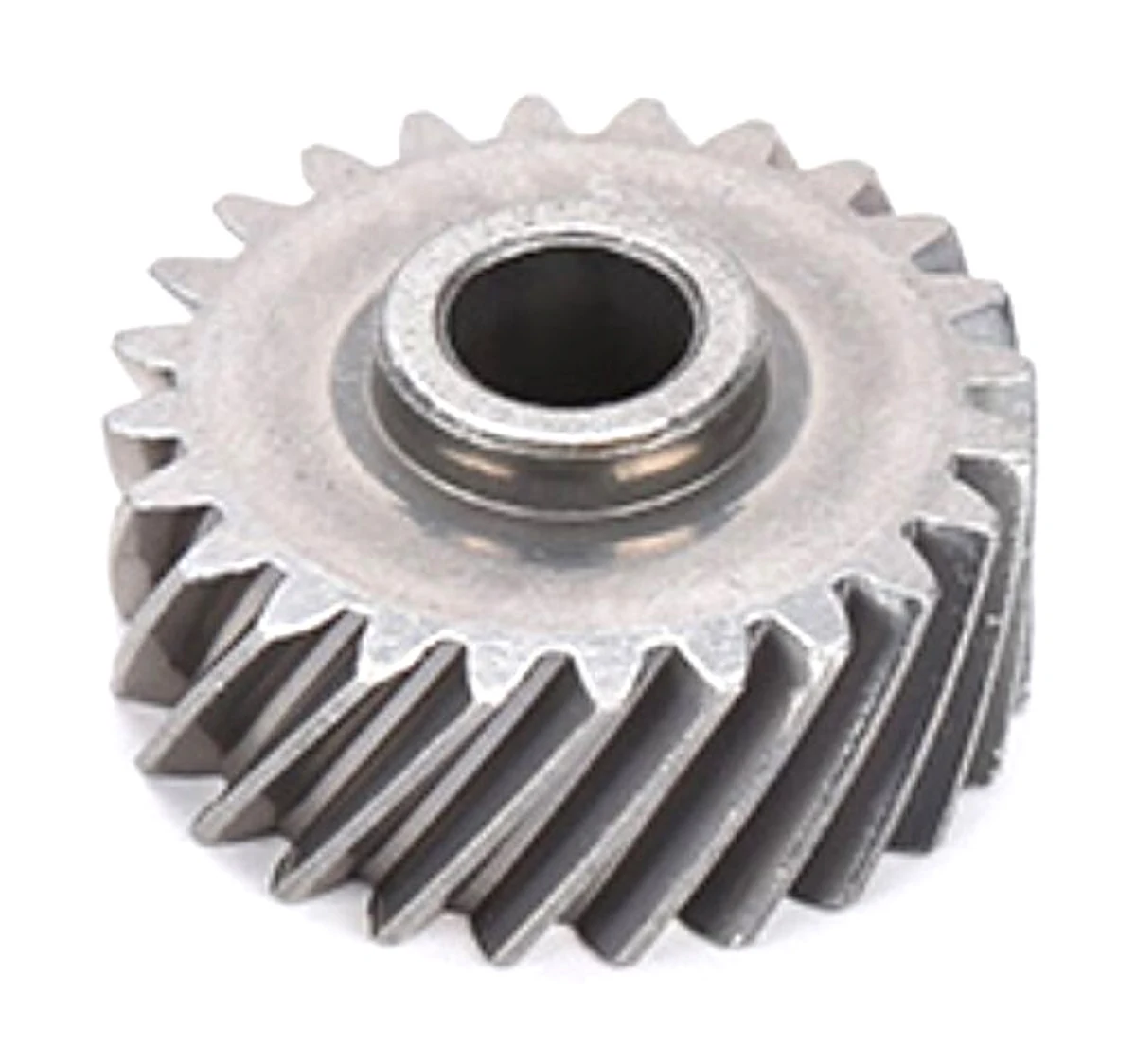
Build the process plan around the final requirement
A sintered gear may need additional operations when its final geometry, material condition or surface requirements cannot be satisfied by the selected forming and sintering route alone. Discuss those operations before comparing finished-part prices. The relevant question is which requirement each operation controls, and how that result will be checked.
Some parts can be used after sintering; others need a carefully planned combination of operations. This guide is a review framework, not a promise that a particular gear can omit machining or meet a fixed tolerance. The drawing, material and application determine the route. Ask for proposed operations to appear clearly in the quotation and sample plan.
Sizing needs an identified feature and purpose
When sizing is proposed, ask which dimensions it is intended to control, which datums locate the part and where the process leaves other features. Avoid treating the word sizing as a complete tolerance statement. The agreed final dimensions still need a definition, a measurement method and a condition at inspection.
A bore, outside profile and seating face can have different functional roles. Clarify which of them controls assembly and which is only a clearance surface. Discuss any geometric restrictions with engineering before tool release. A proposed operation should be evaluated with the complete part geometry, rather than assumed suitable from a similar-looking catalog example.
| Review item | Provide or agree | Decision to close |
|---|---|---|
| Sizing | Named dimensions and locating datums | Confirm applicability to the geometry |
| Machining | Features, stock and fixture references | Check final mating relationships |
| Heat treatment | Material condition and verification method | Recheck affected dimensions |
| Finishing | Deburring, cleaning and surface scope | Define delivery condition |
| Approval | Actual sample route and report | Record production-route differences |
Reserve machining for a defined requirement
Machining may be considered for an interface, groove, thread or other feature whose definition calls for a separate operation. Ask which features are machined, what stock is planned and how the part will be located. A note saying finish machine is incomplete if the controlled surfaces and final dimensions are unclear.
Consider the inspection sequence at the same time. If the machining fixture locates on one surface but the assembly locates on another, the relationship between those surfaces matters. Keep any proposal to change datums or relax a requirement in the review record. Do not hide those changes inside a unit-price comparison.
Treat heat treatment as part of the route
Heat treatment must be reviewed with the selected material and required final properties. Ask for the delivery condition, the relevant verification method and the sequence relative to finishing. Hardness alone is not a substitute for an application assessment, and one gear's treatment is not an automatic specification for another.
Discuss which dimensions require checking after treatment and whether further finishing is proposed. Agree how samples will represent the intended production route. If the project changes treatment after initial approval, assess whether the earlier dimensional or functional evidence remains applicable before treating the change as a purchasing substitution.
Release a complete operation and inspection sequence
A useful route summary names the major stages, the requirements they control and the checks that follow. Include deburring, cleaning or surface treatment where required. Describe the final condition in which the gear will be packed and inspected, particularly if cleanliness, lubrication or assembly orientation affects acceptance.
When reviewing samples, connect the report to the actual route used. Record any temporary sample-only method and identify what must be rechecked when production tooling or fixtures are introduced. The goal is a repeatable approved route, with clear responsibilities for open points, rather than a sample that passes without an explanation of how it was made.
Example: the same bore at different process stages
Consider a drawing that controls a gear bore and the relationship of that bore to the teeth. One proposed route includes sizing; another includes a machined bore. Comparing the operation names alone does not establish which proposal meets the requirement. Ask both suppliers to identify the locating references, final material condition, measurement method and the stage at which the relationship is verified. Any proposed departure from the drawing needs to be visible.
If a later treatment or finish is added, revisit the sequence rather than assuming the earlier report covers the finished component. The sample record should explain which operations were actually used and whether any production step remains to be introduced. This example describes a review method, not a demonstrated capability for a particular gear. The decision depends on the final definition and evidence agreed for that project.