From metal powder and tooling to molding, sintering, CNC finishing, and inspection —every critical step is coordinated on one campus.
From feedstock preparation to final inspection, every step stays on our own campus —controlled, traceable, and accountable.
Pre-alloyed metal powder storage, climate-controlled, batch-traceable from supplier to feedstock mixer.
Custom binder formulations tuned for stainless, low-alloy, and tool-steel powders. 100% in-house.
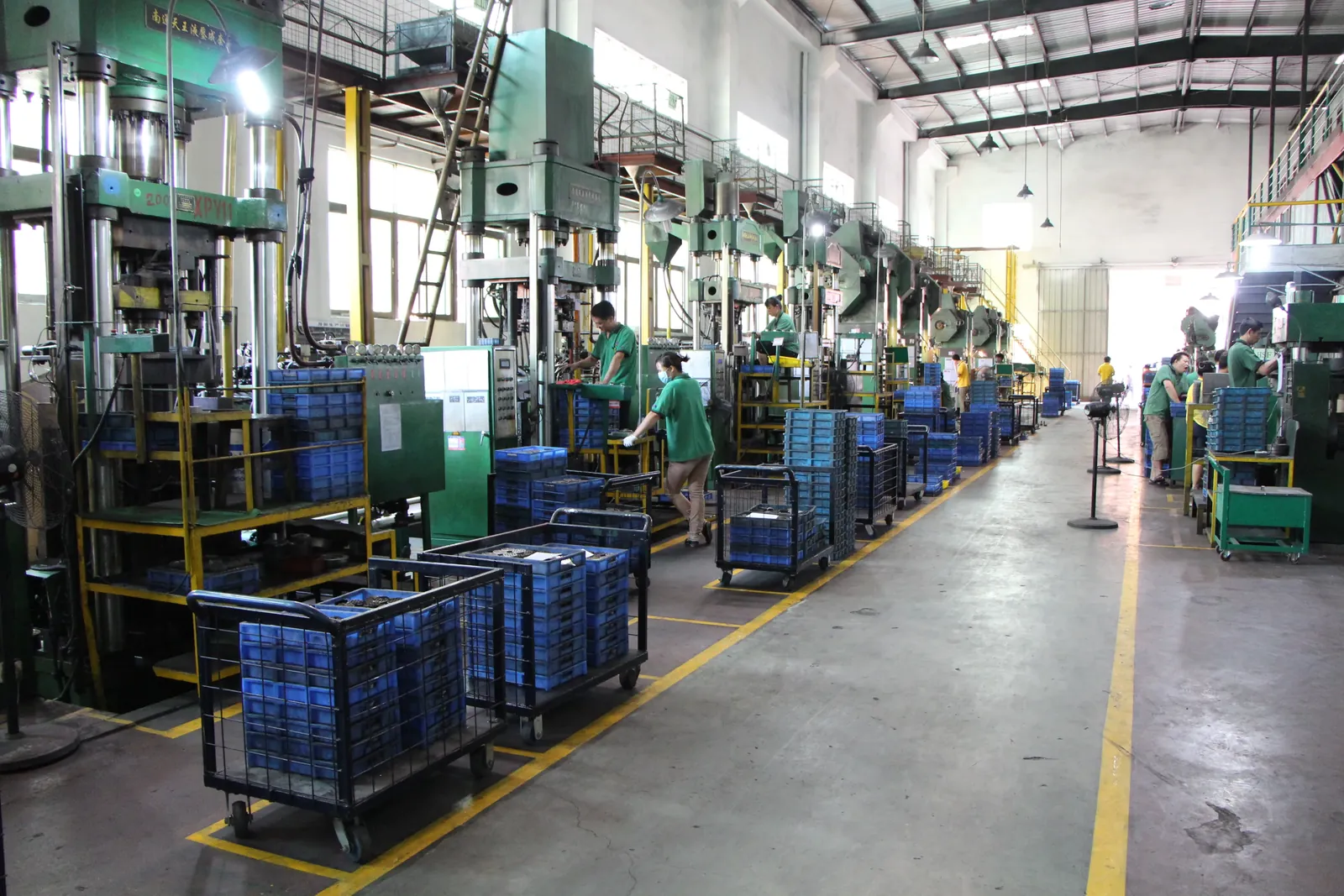
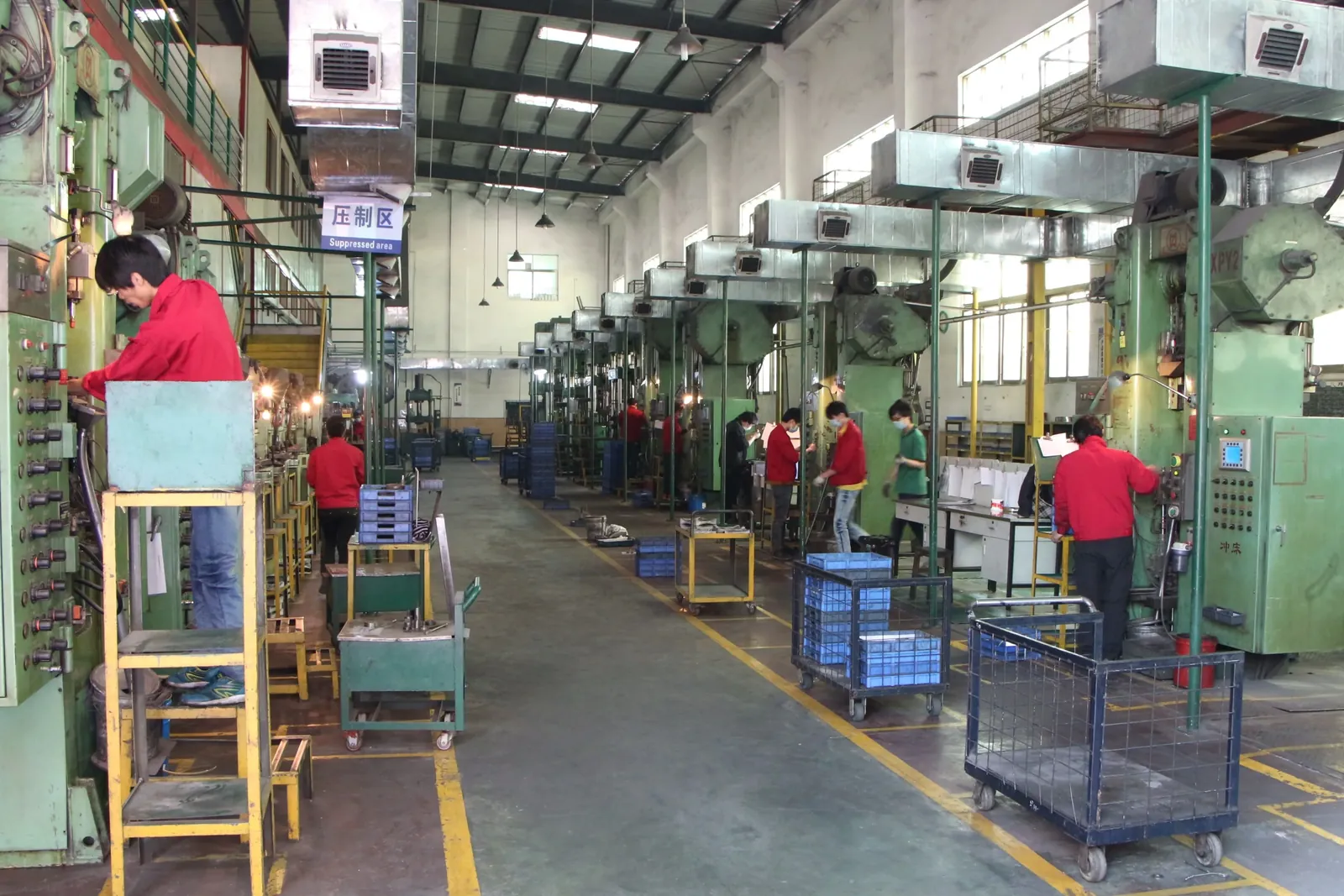
32 injection machines (50T —400T). Closed-loop process control. Operator-staffed, not lights-out.
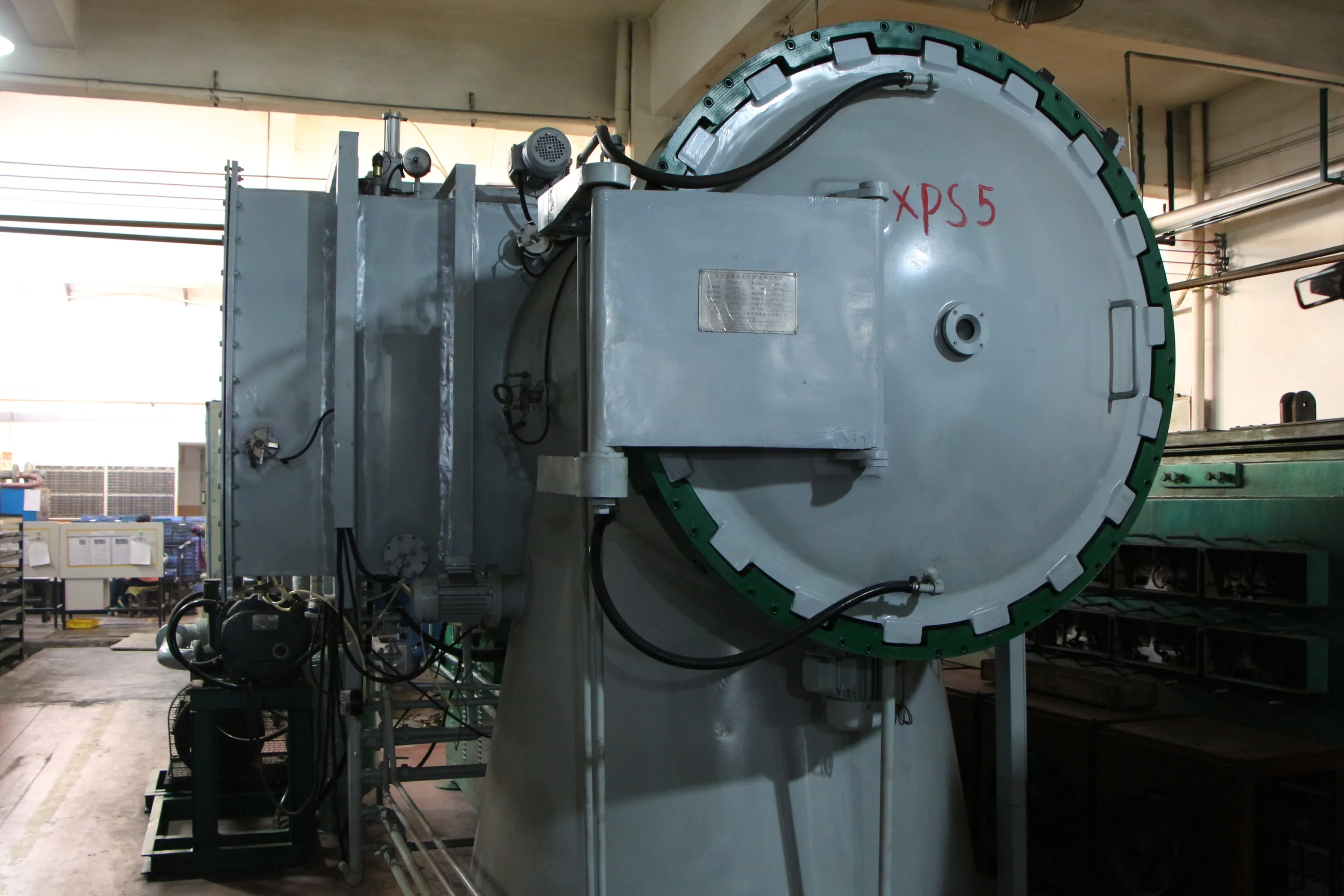
6 vacuum sintering furnaces (XPS-series), 1,200 t/yr combined capacity, 1,250 —1,380°C working range.
Vacuum and atmospheric furnaces for quench, temper, and aging —optional per spec.
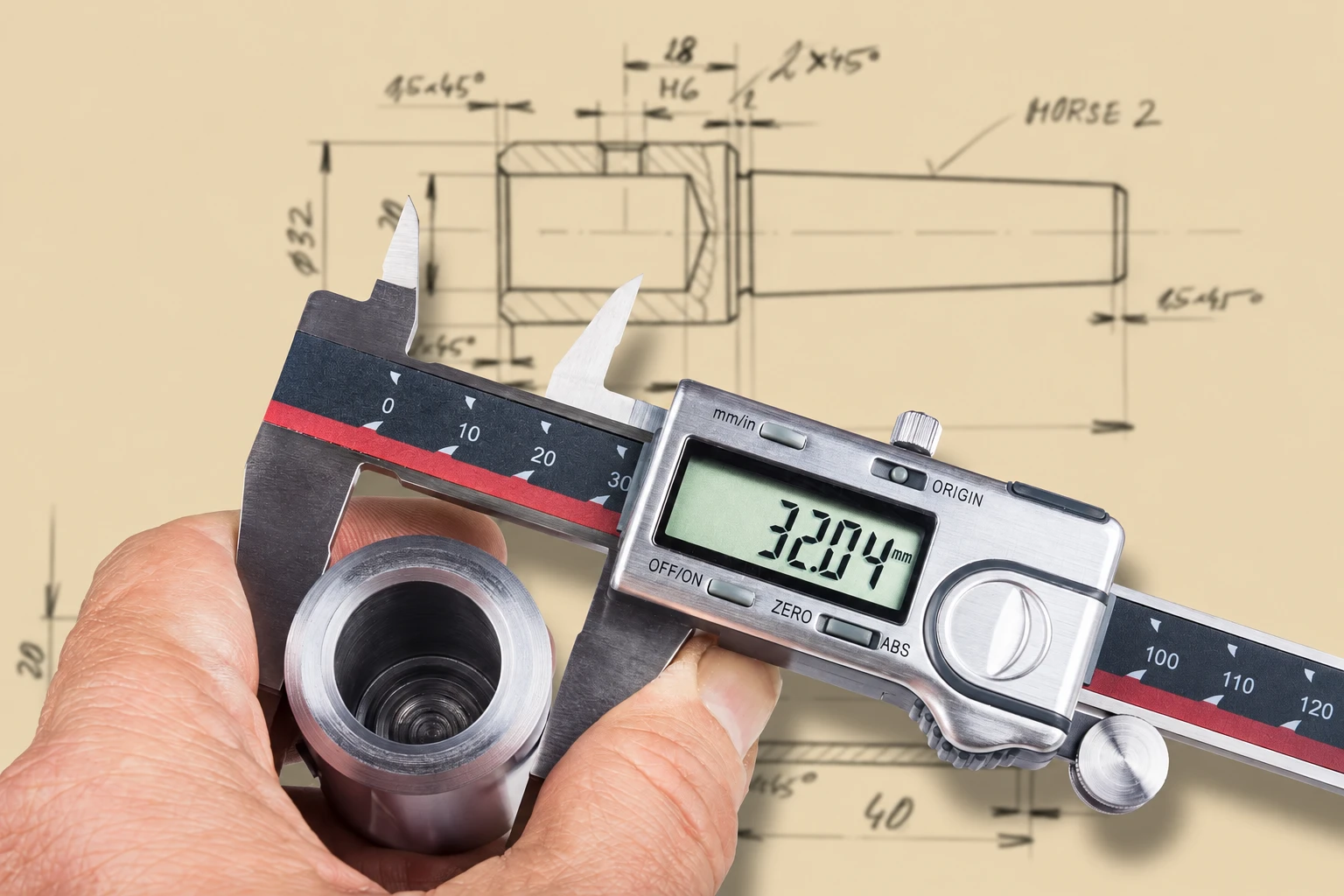
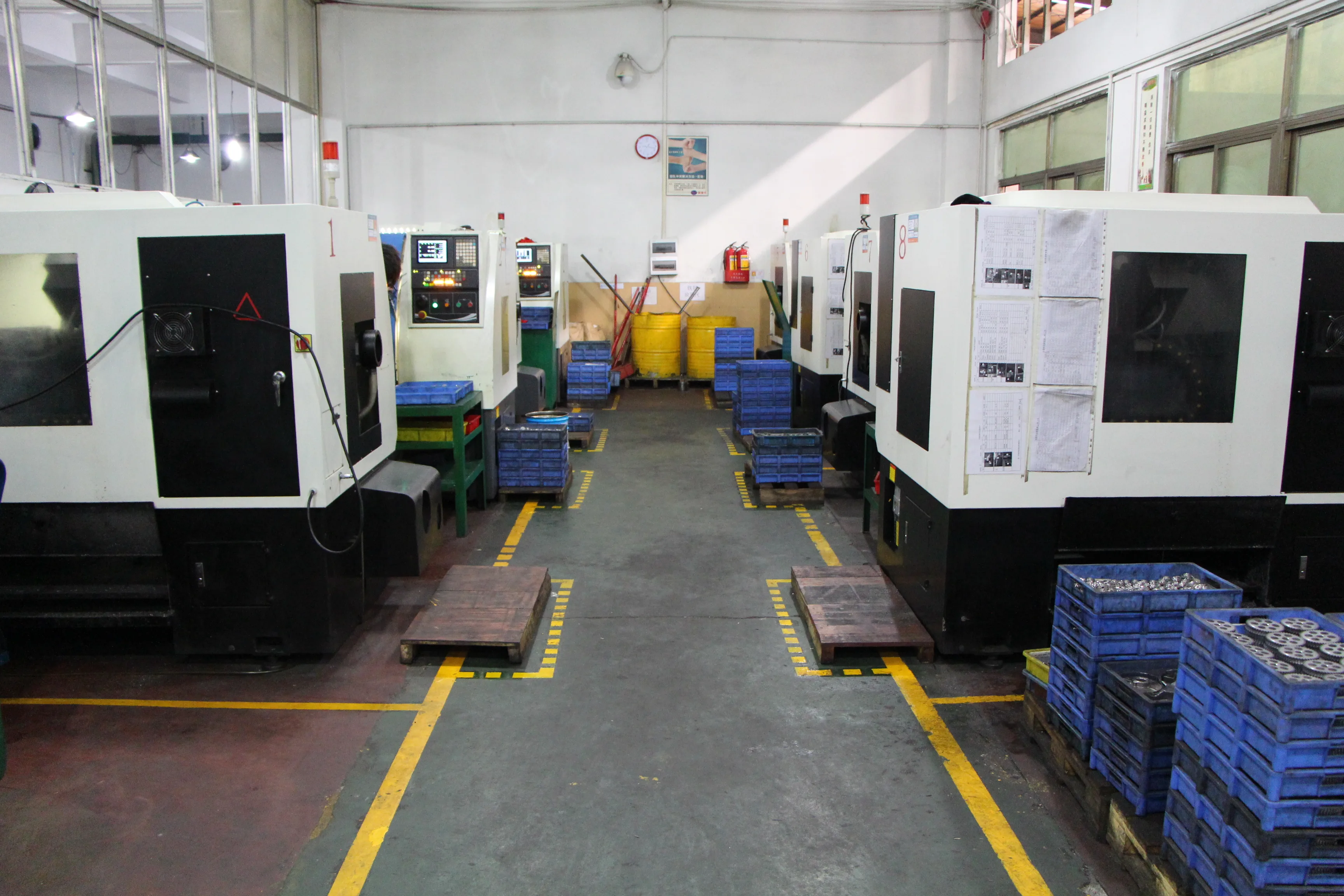
25+ CNC lathes and machining centers. Tolerance to ±0.02 mm on critical dimensions.
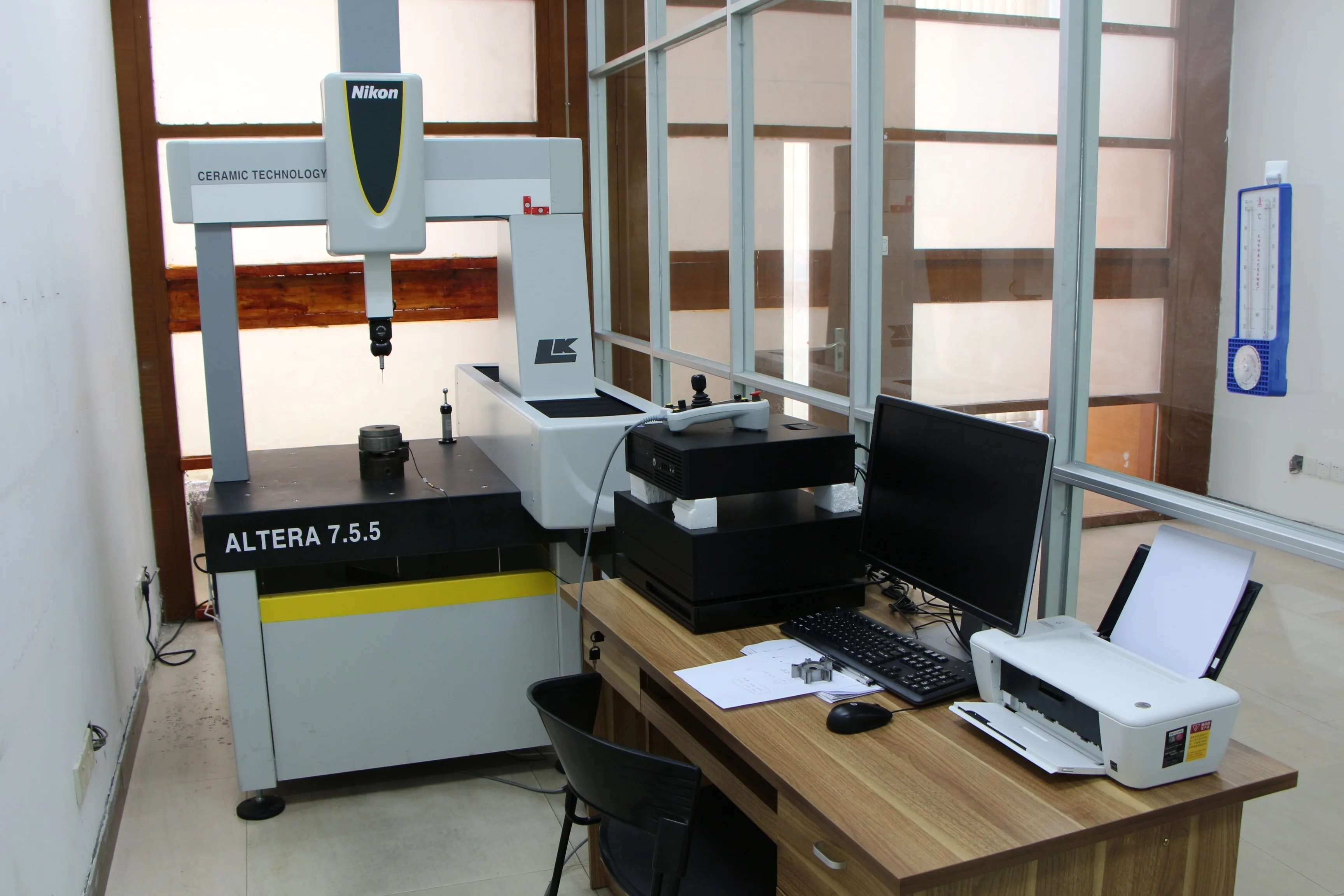
CMM, hardness, density, roughness, metallographic —every batch verified before pack-out.
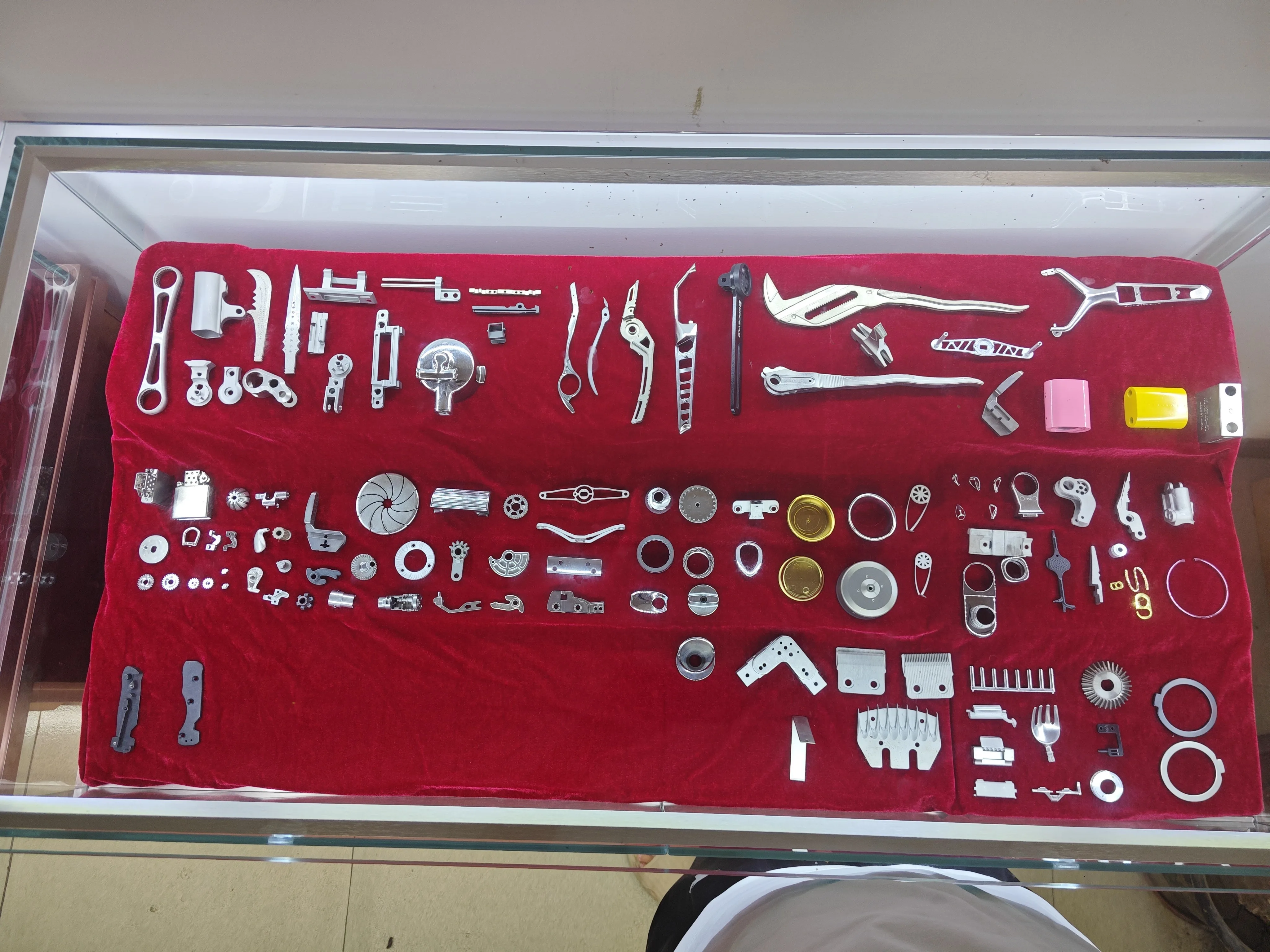
10,000+ part samples on display —bring your drawing, find a reference part, leave with confidence.
Our MIM lines run stainless steel (304/316L/17-4PH), low-alloy steel, and tool steel feedstocks. Every batch is bar-coded at receipt, traceable through compounding, molding, debinding, and sintering —so when you ask "where did this part come from," we have a complete answer in under 60 seconds.
Our pressing area runs 8 injection machines in parallel, with trained operators on every shift. Lights-out automation sounds efficient —but for parts that go into medical devices, locks, and coffee grinders, we want a human eye on every cycle.
Our 6 vacuum sintering furnaces (XPS5-class) deliver consistent density, controlled carbon content, and tight dimensional tolerance. For parts that go into high-stress or safety-critical applications, sinter quality is non-negotiable —that's why we run our own furnaces, not sub-contracted batch service.
Some features can't be net-shaped —threads, bearing surfaces, mating faces, critical datums. Our CNC bay has 25+ machines running lathing, milling, grinding, and drilling, with operators who understand both the print and the process.
Our inspection lab covers dimensional, mechanical, and metallurgical checks, with documented release criteria for every production batch.
Nikon / LK Metrology bridge-type CMM. 750 ·500 ·500 mm travel. Full GD&T reporting per ISO 1101.
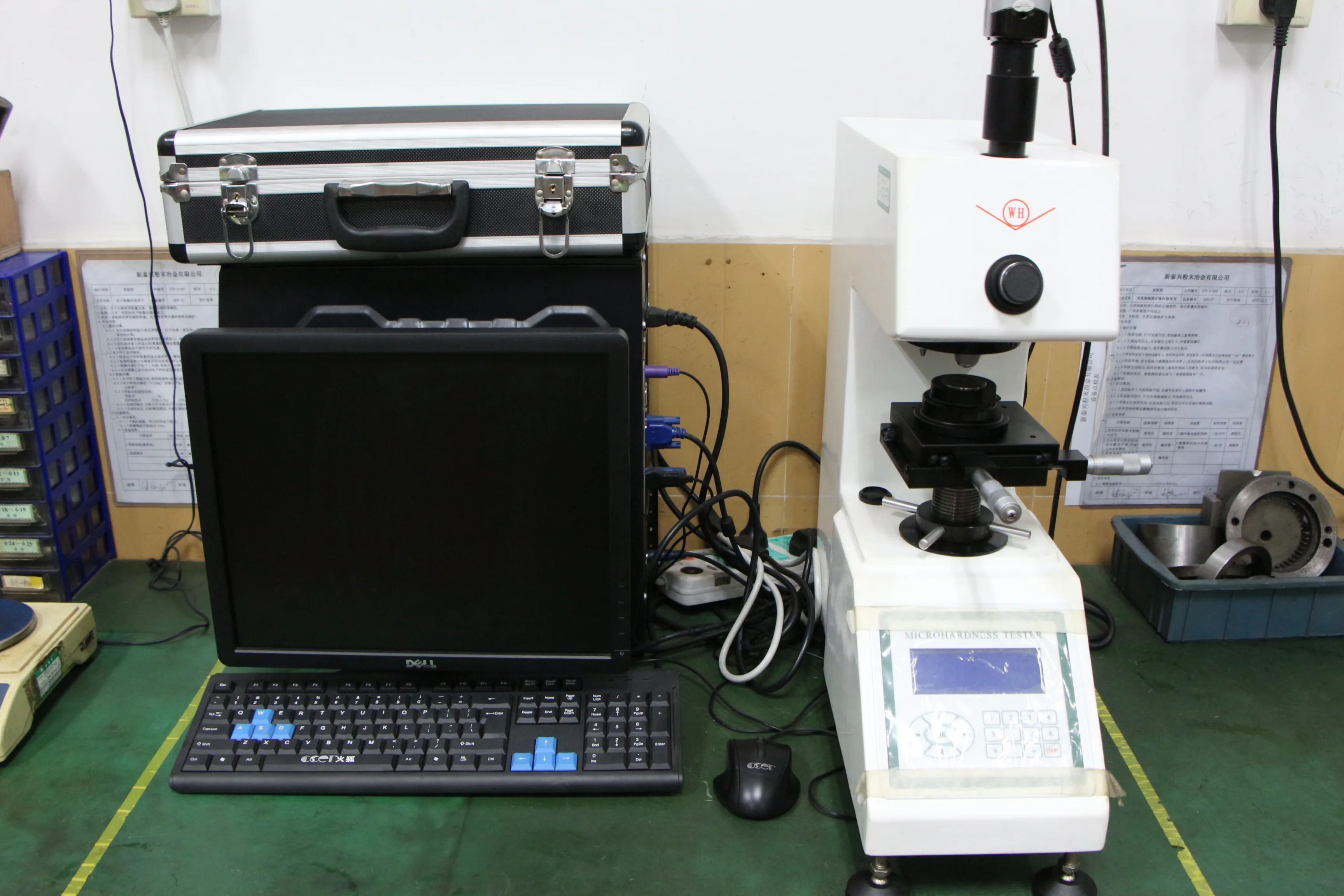
WH-series microhardness tester for thin sections and surface-hardened parts. HV0.1 to HV10 range.
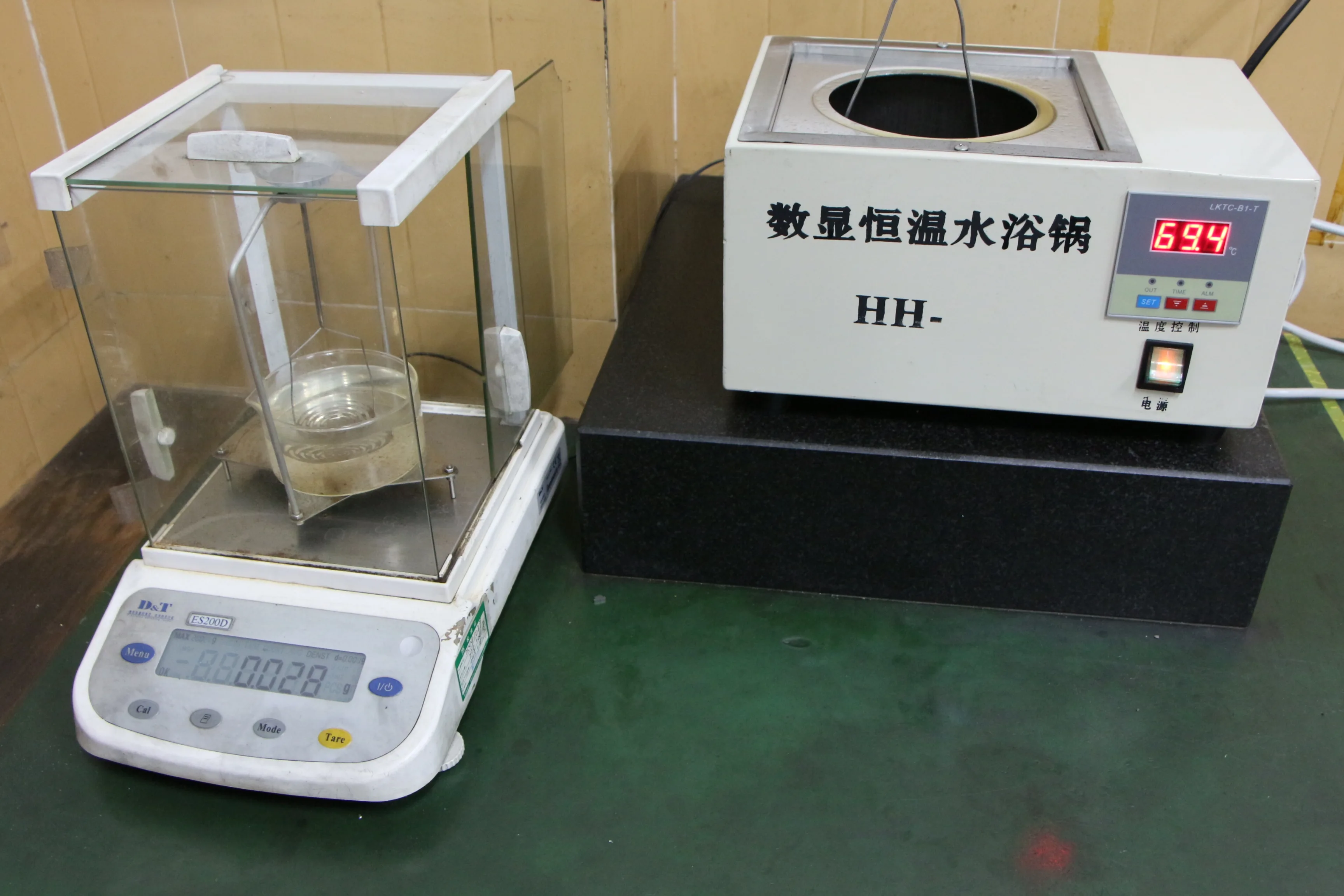
Water-bath density measurement per ASTM B311. Sintered density — theoretical for standard alloys.
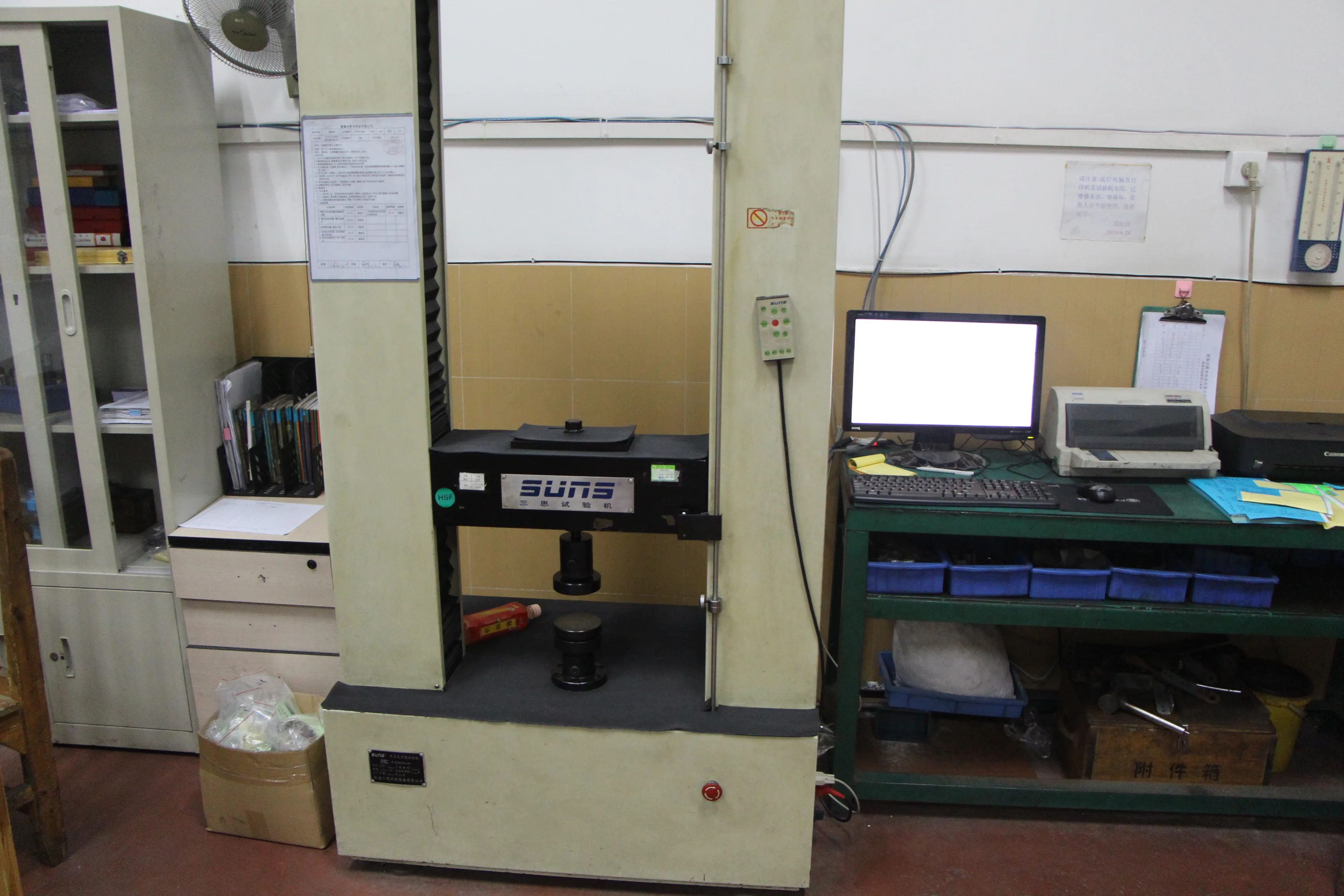
Universal testing machine for tensile and yield strength on sample coupons. Per ASTM E8 / ISO 6892.
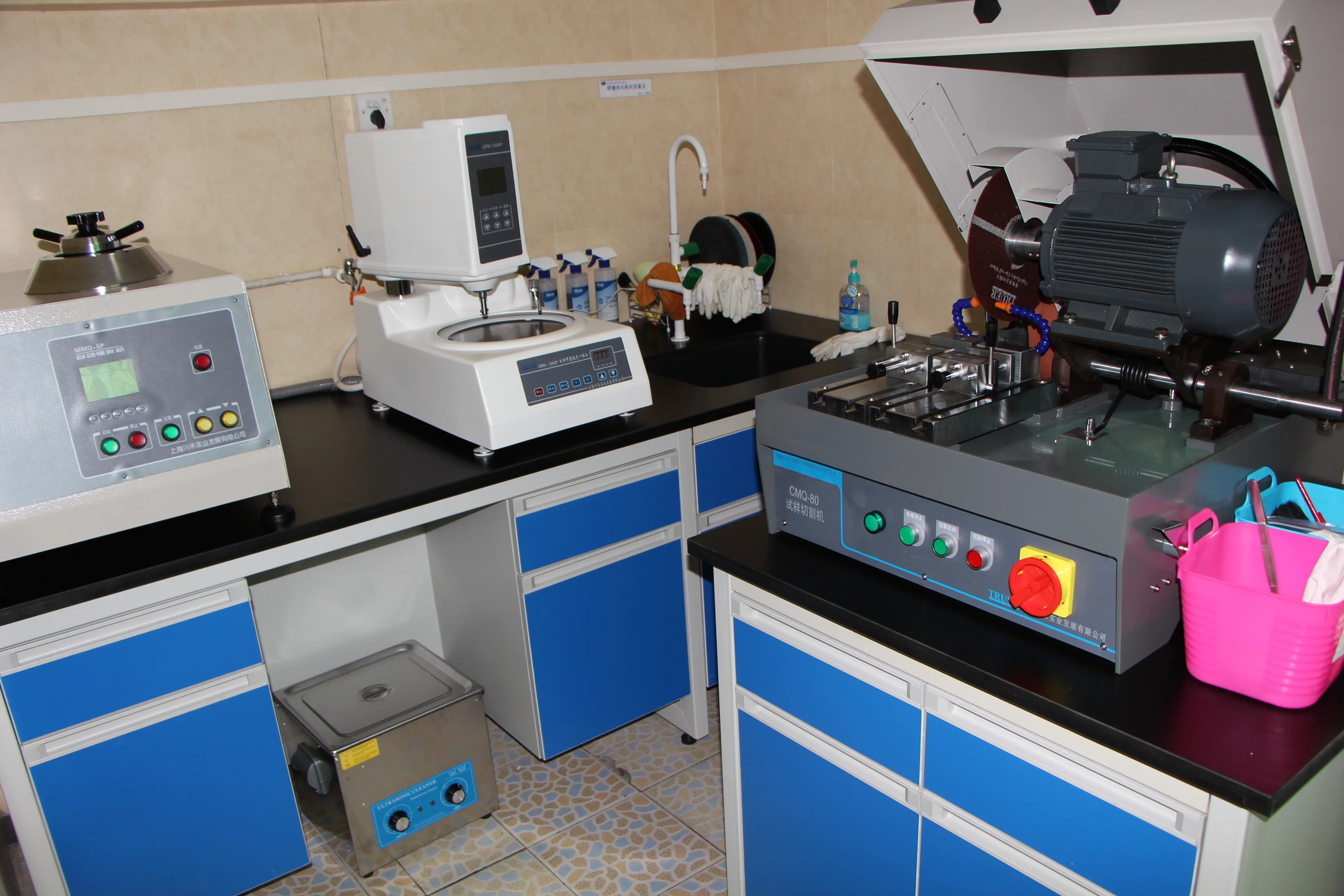
Sectioning, mounting, polishing, and microscopy. Microstructure review for grain size, porosity, and phase.
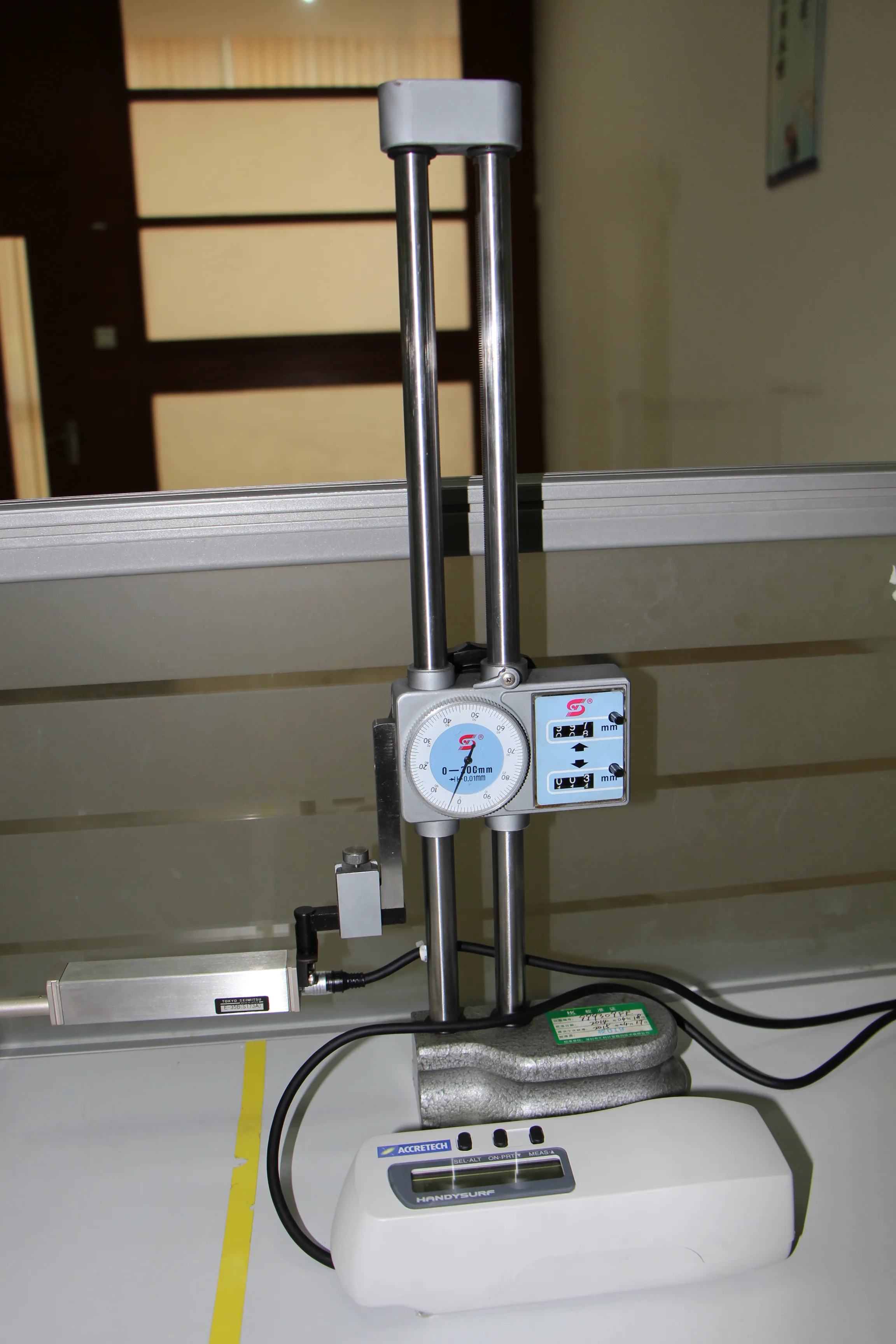
Roughness profilometer for Ra, Rz, Rq on machined and as-sintered surfaces. Per ISO 4287 / 4288.
Equipment is easy to buy. Expertise takes decades. SINTS has been making MIM parts since 1995 —long enough to know which alloys crack under which cooling rates, which tolerances are realistic, and which "minor" drawing notes will cost you a week in tooling rework.
10,000+ sample parts on display, organized by industry and alloy. Plus the certifications that make your procurement team stop asking questions.
Our showroom is a working reference library. When a buyer walks in with a print, our engineers can usually point to a similar part we've made, identify the alloy and tolerance range, and quote from real production data —not from a sales spreadsheet.
From raw powder to finished part — captured on the SINTS floor in Zhongshan.
We host buyer audits every month — typically 1–2 days, covering production lines, inspection lab, document control, and a working session with our engineering team. Travel coordination and on-site translation provided.
Practical answers for OEM sourcing and engineering teams.
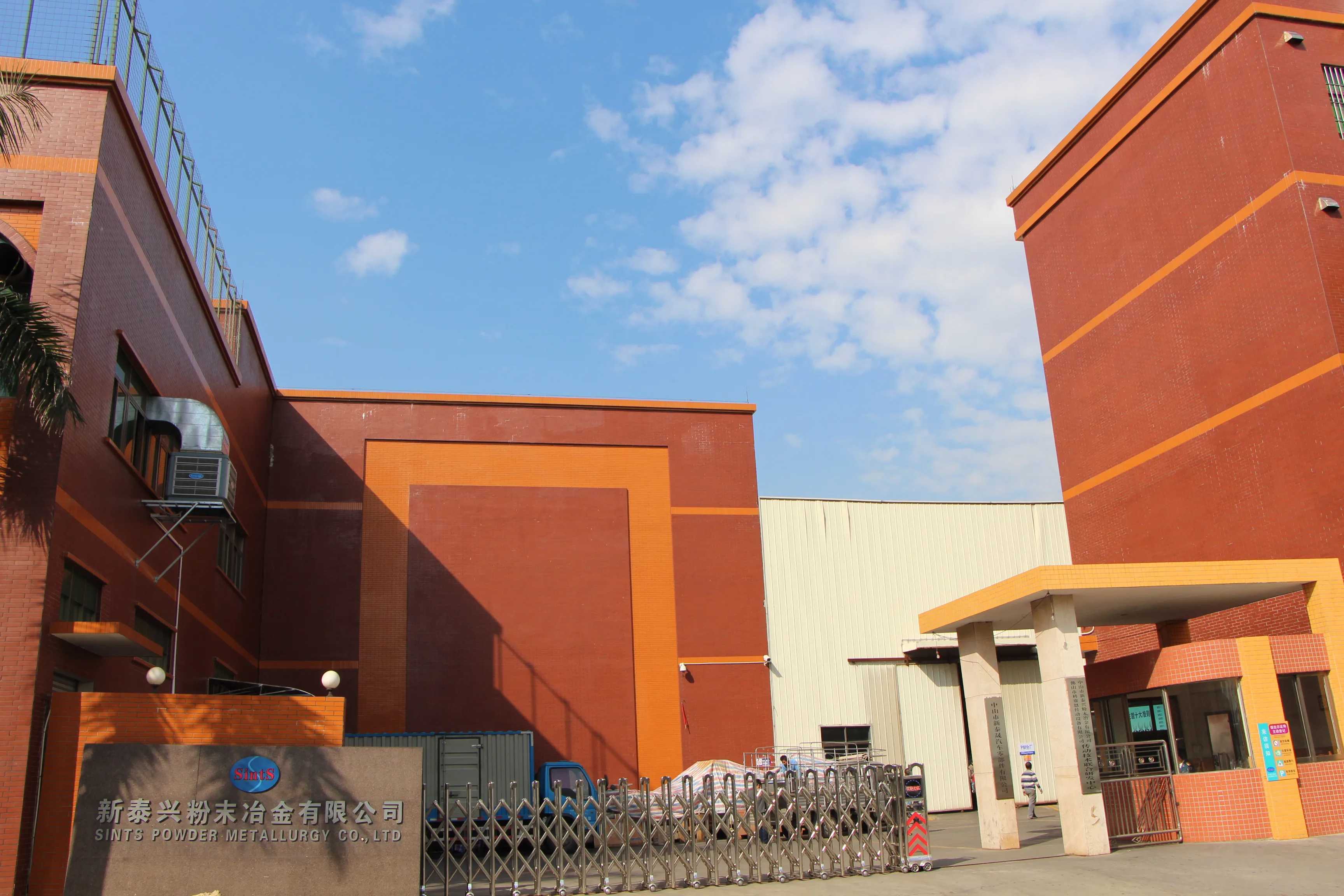
No. 18, Sanxiang Industrial Avenue, Zhongshan, Guangdong, China.
Yes. On-site visits and live video factory tours are both supported.
MIM injection lines, vacuum sintering furnaces, CNC machining centers, CMM inspection and heat treatment.
Yes. IATF 16949 and ISO 9001, on a 45,000 m2 single campus.