Company Profile

Precision metal manufacturing since 1995

SINTS is a China-based manufacturer of powder-metallurgy, metal-injection-molded and precision metal components. The Zhongshan and Jiangxi production bases provide about 45,000 m² of combined manufacturing area, while project teams review geometry, material, tolerance, volume and secondary operations before a manufacturing route is committed.
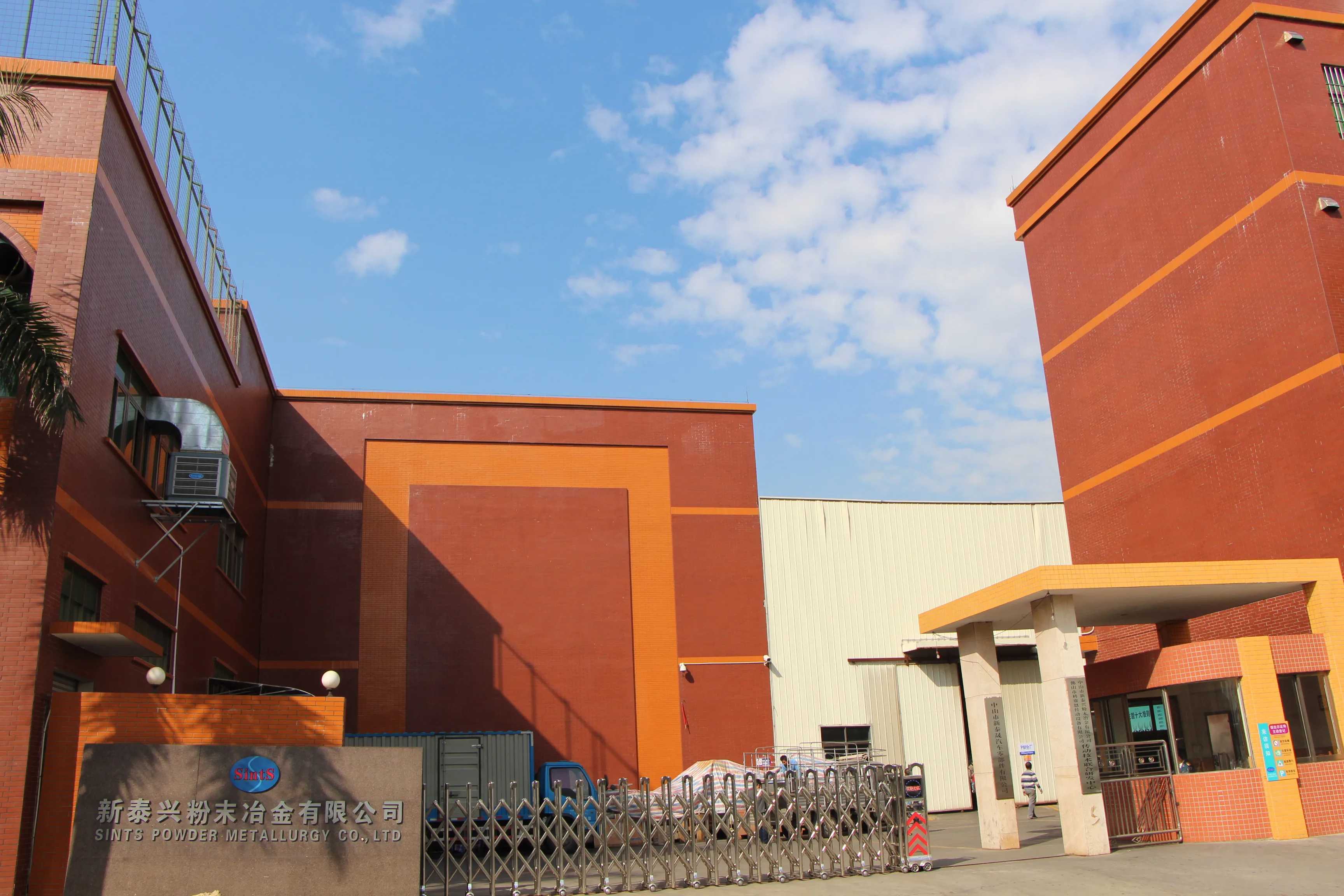
SINTS Zhongshan manufacturing site exterior
1995
Manufacturing Since
45,000
Combined Manufacturing Area
2
Manufacturing Bases
32
Injection Machines · 50T–400T
IATF16949
Zhongshan PM Scope
Who We Are

A manufacturing partner for small, functional metal components

SINTS has worked with powder-based metal manufacturing since 1995. Today the company supports conventional powder metallurgy, metal injection molding and related secondary operations for drawing-based OEM components.

The objective is not to force every drawing into MIM or PM. Axially simple repeat-volume parts may suit press-and-sinter; compact 3D geometry may justify MIM; tight datums, long shafts, sheet features or low-volume parts may still be better machined, turned, stamped or produced through a hybrid route.

That process-selection discipline is central to how SINTS approaches new programs: understand the function, identify the risk-driving features, and then decide what should be formed near net shape and what should remain secondary-controlled.

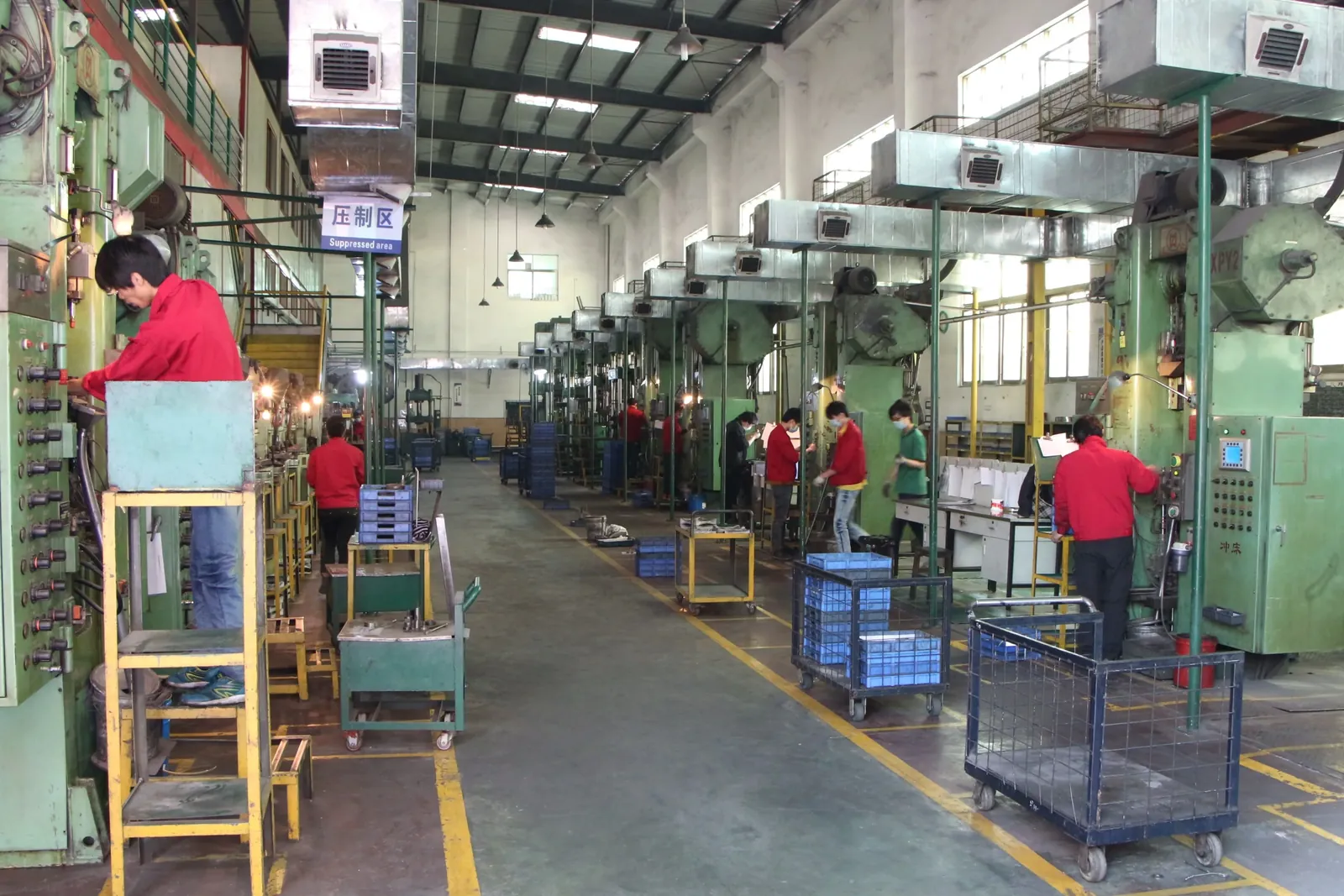
Metal injection molding hall at SINTS Zhongshan
Manufacturing Footprint

Two production bases, one drawing-led project review

Zhongshan is the principal SINTS site for PM, MIM, secondary finishing and inspection, while Jiangxi adds powder-metallurgy production capacity. The exact site, equipment route and supporting operations are confirmed for each project rather than assumed from a generic capability list.

For sourcing and engineering teams, that means the RFQ can be reviewed as one manufacturing problem: material, forming route, critical datums, heat treatment, machining, finishing, inspection and repeat-production requirements are considered together.

Factory audits, project-specific process records and inspection documentation can be discussed during supplier qualification according to the program and confidentiality requirements.

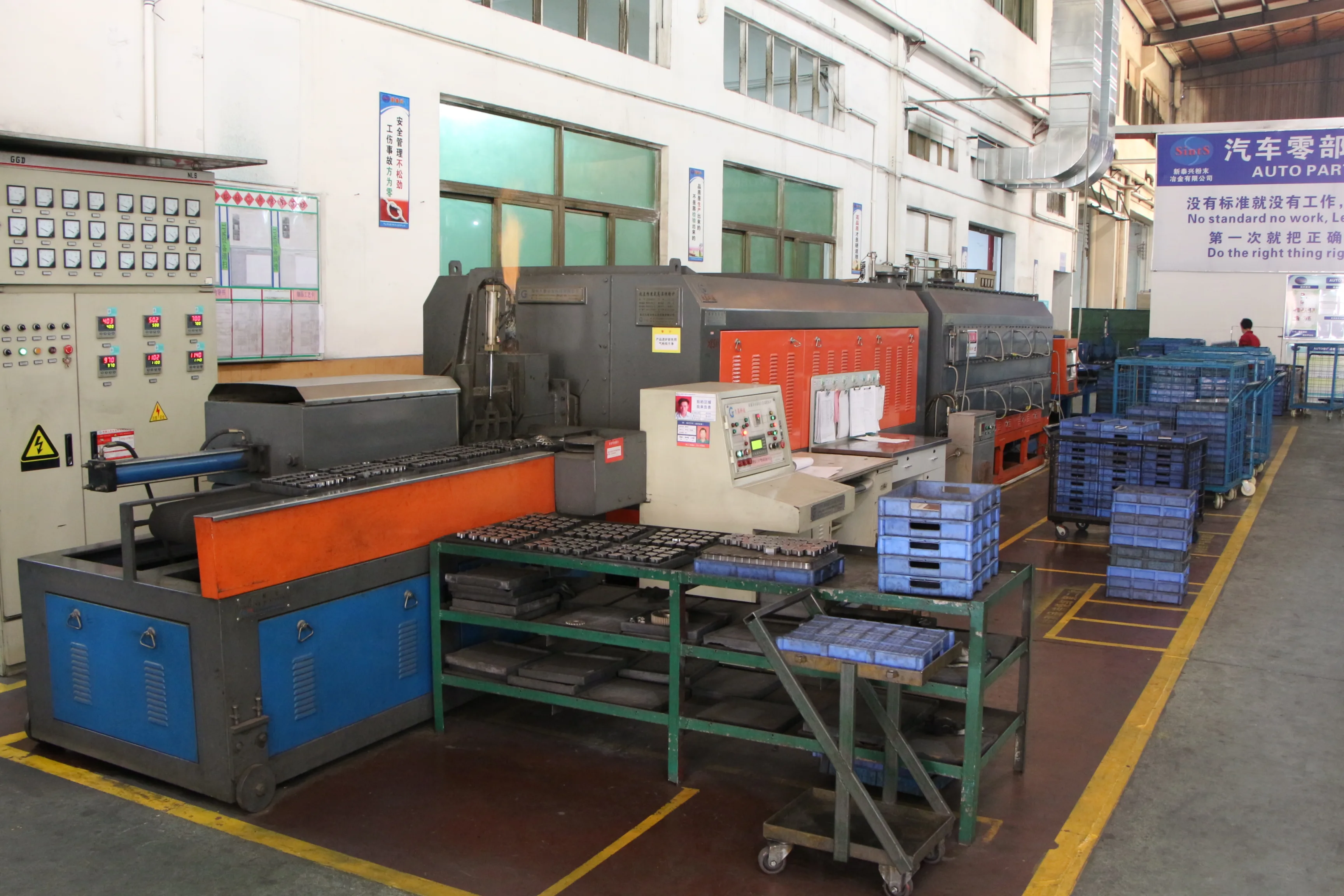
SINTS sintering furnace line
Company Development

Process capability built around repeat manufacturing

The company has expanded from a powder-metallurgy foundation into a broader precision-metal manufacturing platform while keeping process selection tied to the part.

1995

Powder-metallurgy foundation

SINTS began manufacturing in Zhongshan with powder metallurgy as a core process base.

PM

Press-and-sinter production

Gears, bushings and structural parts remain important where compaction geometry and repeat-volume economics are a good fit.

MIM

Complex-part capability

MIM supports suitable small 3D parts when geometry consolidation, material and serial volume justify tooling and sintering.

Today

Two manufacturing bases

Zhongshan and Jiangxi together provide about 45,000 m² of manufacturing area for PM, MIM and related OEM metal-component programs.

Scope of Supply

Manufacturing routes selected from the drawing

Browse products by application, with additional component design notes for functional requirements and manufacturing decisions.

Manufacturing routeWhere it can fitWhat we review
Metal Injection MoldingSmall, complex 3D metal parts where feature consolidation and repeat production may justify tooling.Geometry, wall transitions, material, shrinkage, distortion risk, critical datums and annual demand.
Powder MetallurgyGears, bushings and structural parts that suit pressing direction, density requirements and repeat production.Compaction geometry, density distribution, functional surfaces, heat treatment, sizing and machining needs.
Gear Manufacturing & FinishingSpur, helical, bevel and related transmission components where tooth accuracy, load and wear determine the route.Tooth geometry, torque, backlash, heat treatment, finishing, inspection and volume.
CNC / Secondary OperationsCritical bores, threads, sealing-adjacent faces, datums and features that need post-forming control.Tolerance, surface finish, datum relationship, material condition and inspection method.

Explore the Product Categories · compare Capabilities · review Materials · see the Quality System

Products & Applications

Component references across our business

Explore all seven product categories. Each new component is manufactured to its own drawing and agreed requirements.

ApplicationComponent examplesExplore
Coffee Machines & Home AppliancesGrinder burrs, portafilter hardware and appliance mechanisms.View products
Consumer ElectronicsButtons, hinges, watch, camera and communication-device components.View products
Gears & TransmissionSpur, helical and bevel gears, with related transmission components.View products
Locks & SecurityBolts, cylinders, spindles and smart-lock mechanism components.View products
Medical DevicesInstrument, forceps and tweezer component references; qualification is application-specific.View products
Power Tools & Industrial HardwareTool gears, pneumatic parts, guides and industrial mechanisms.View products
Custom OEM Metal ComponentsAgricultural, personal-care and other drawing-specific metal parts.View products

For additional equipment contexts, visit our industry application guides.

How We Work

What an OEM program should expect from the first review

The emphasis is on engineering fit, traceable requirements and repeatable production — not on selling one process for every drawing.

Process fit before tooling

If MIM or PM creates unnecessary risk or cost, the drawing review should identify that before tooling is committed. Machining, turning, stamping or a hybrid route remain valid options.

One drawing, coordinated review

DFM, material, forming route, secondary operations and quality requirements are reviewed around the same set of functional dimensions and application inputs.

Quality scope defined by program

IATF 16949 applies to the certified Zhongshan PM scope. Inspection, documentation and traceability requirements are then defined according to the customer program.

Tooling terms defined at quotation

Tooling ownership, storage, maintenance, revision control and project records are agreed in the commercial and technical terms.

Engineering questions stay technical

Our technical review covers tolerances, material condition, heat treatment, wear surfaces and finishing requirements.

Cost drivers are made visible

Tooling, material, volume, secondary operations, inspection and finishing are treated as separate cost drivers so the manufacturing route can be challenged rationally.

Engagement Model

From drawing review to repeat production

Timing is quoted project by project after geometry, material, tooling and validation requirements are understood.

Drawing & DFM Review

Share the 2D/3D drawing, material target, annual volume, mating parts and critical functional requirements. Engineering reviews process fit and risk-driving features.

Quotation & Tooling Plan

The proposed route identifies tooling, part pricing, secondary operations, inspection needs and the assumptions that affect commercial feasibility.

First Article & Approval

Trial, dimensional inspection and customer-required approval documentation are planned according to the drawing and agreed program requirements.

Repeat Production

Series production follows the approved route, control plan, traceability level and shipment documentation agreed for the program.

Compliance

Certifications and project-specific documentation

Certificate copies, declarations and customer-required quality documents are provided according to supplier qualification and project requirements.

ReferenceScopeHow it is used
IATF 16949:2016Zhongshan quality-management scope for manufacture of powder metallurgy products.Certification details can be reviewed during supplier qualification.
ISO 9001Quality management system stated in current SINTS company materials.Current scope documentation can be provided during qualification.
RoHS / REACHMaterial and surface-treatment substance compliance support.Declarations are handled according to the material, finish and customer requirement.
Drawing & Customer StandardsGD&T, sampling, inspection and documentation requirements.Applied when specified by the drawing, customer standard or agreed control plan.

For inspection equipment, FAI/PPAP support, traceability and corrective-action workflow, see the Quality System →

Common Questions

Buyer FAQ

Is SINTS a manufacturer or a trading company?

SINTS is a manufacturer with production bases in Zhongshan and Jiangxi. The exact process route, site and any qualified supporting operations are confirmed during project review.

How long has SINTS been manufacturing metal components?

SINTS has manufacturing roots dating to 1995, with powder metallurgy as a core process foundation and MIM added for suitable complex parts.

Which certifications are relevant?

Zhongshan Sints Powder Metallurgy Co., Ltd. holds IATF 16949:2016 certification for manufacture of powder metallurgy products. ISO 9001 is also stated in current SINTS company materials; current scope documents are reviewed during qualification.

Can SINTS review a part that is currently CNC machined?

Yes. The first step is to compare geometry, material, tolerance, annual volume and functional risk. The recommendation may remain CNC, move toward MIM or PM, or use a hybrid route.

What determines MOQ and tooling economics?

Geometry, material, tooling complexity, process route, secondary operations, annual demand and expected program life all affect the commercial threshold.

Can confidentiality and tooling terms be agreed before review?

NDA, drawing confidentiality, tooling ownership and project-specific commercial terms can be discussed during onboarding before detailed technical information is released.

Start a Programme

Send the drawing. Start with process fit.

Share the part geometry, material target, annual volume, critical dimensions and application context. SINTS can review whether MIM, PM, machining, gear manufacturing or a hybrid route is worth evaluating.

Component references

Connect the requirements to a real part