
Start from function
Candidate parts are described by what they lock, guide, drive, seal, pivot or transmit before any process is recommended.
Start with product examples for coffee machines, appliances, electronics, locks, medical instruments and industrial equipment. For components outside these groups, use the custom OEM category.
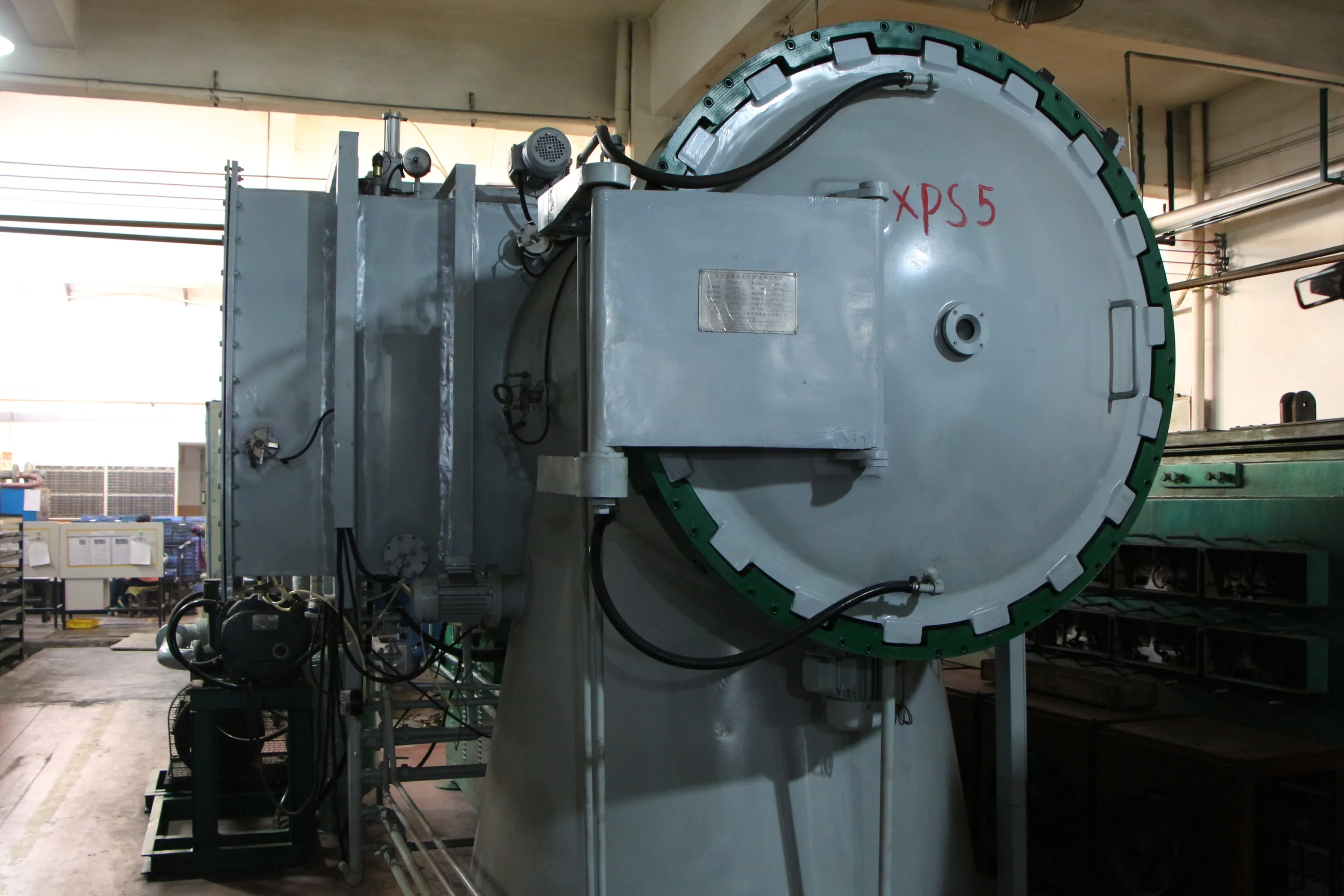
Seven categories supported by existing product references.
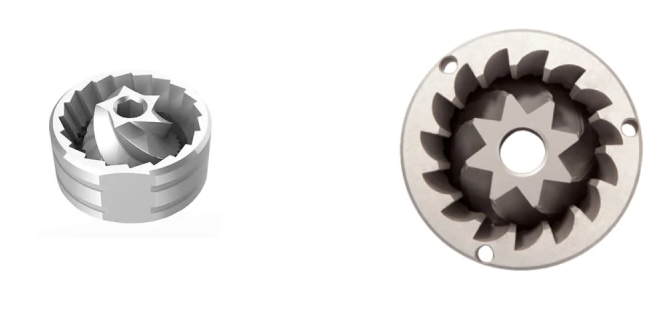
Grinder burrs, portafilter hardware and appliance mechanisms
View examples →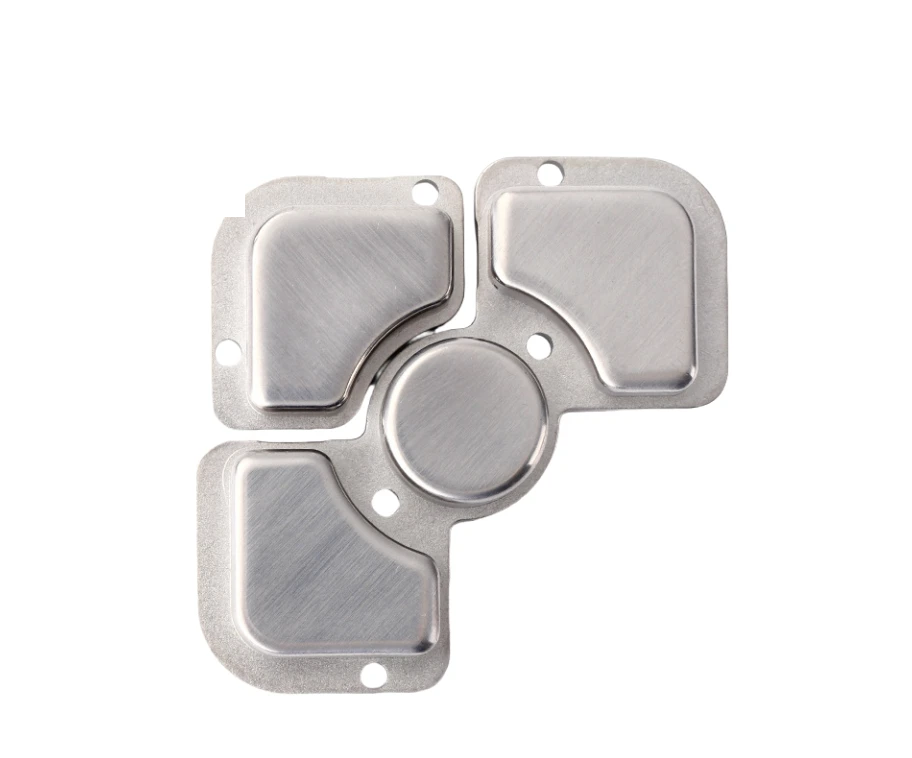
Buttons, communication-device parts, watch and camera hardware
View examples →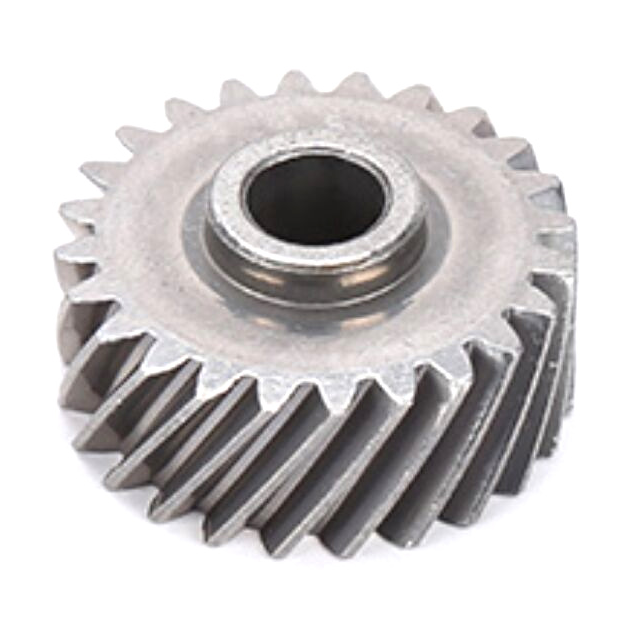
Spur, helical and bevel gears, plus supporting bushings
View examples →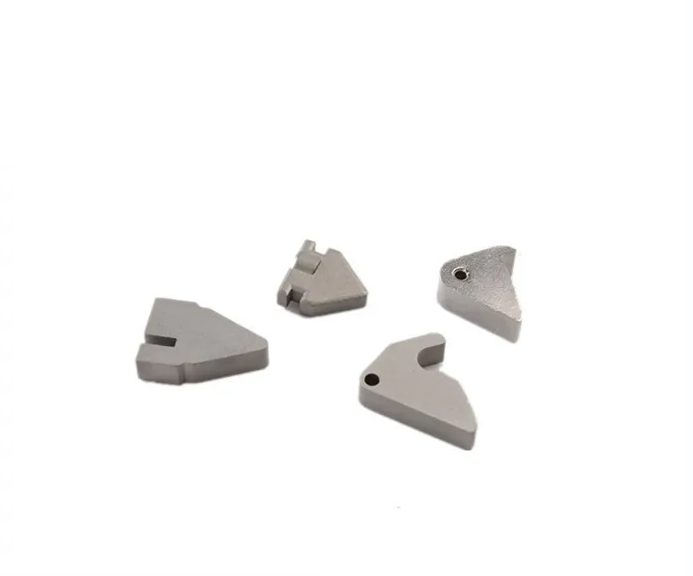
Spring bolts, deadbolts, cylinder parts and smart-lock hardware
View examples →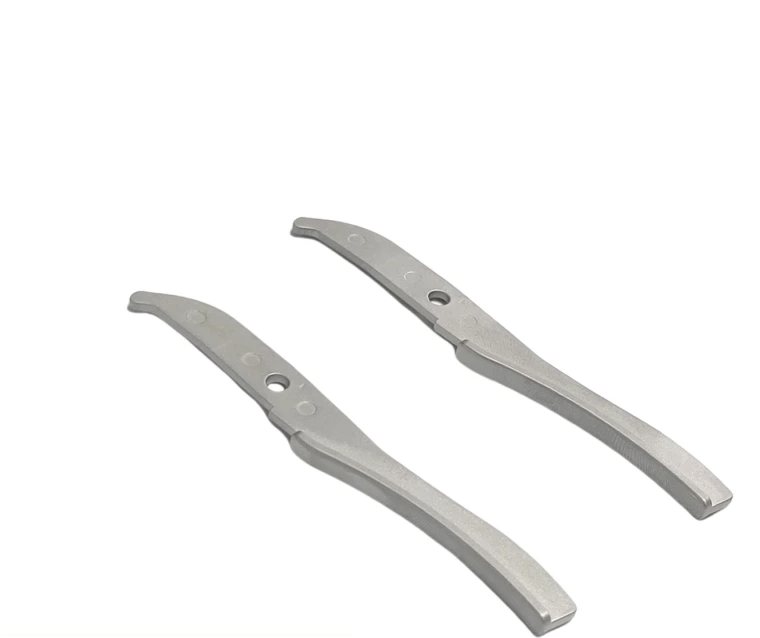
Forceps, tweezer and instrument component examples
View examples →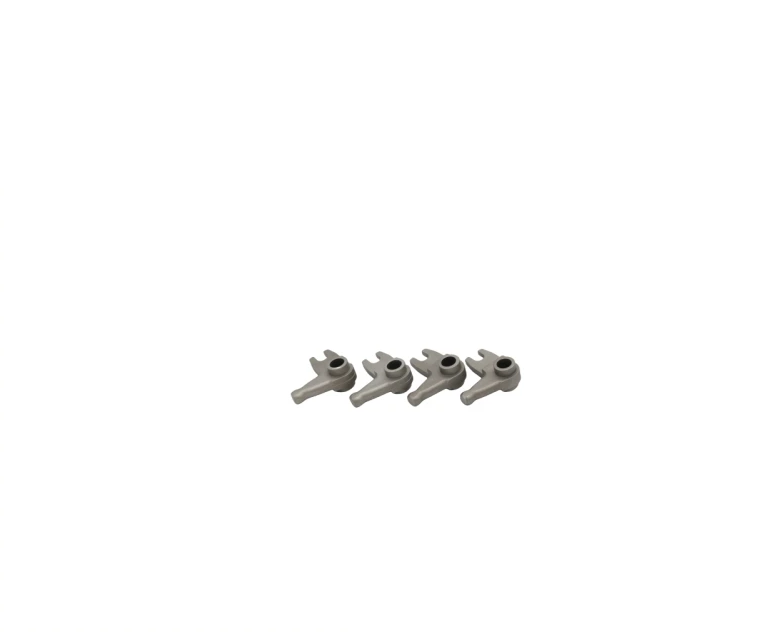
Tool gears, pneumatic forks, guide components and hardware
View examples →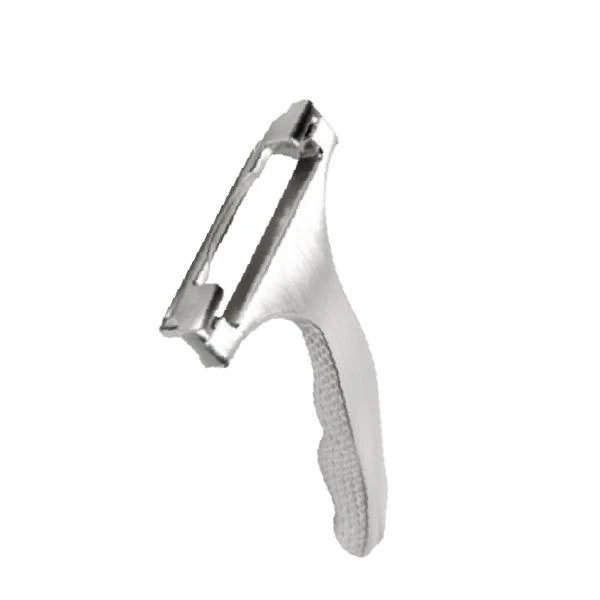
Agricultural, personal-care and drawing-specific metal parts
View examples →Candidate parts are described by what they lock, guide, drive, seal, pivot or transmit before any process is recommended.
Load, wear, corrosion and assembly interfaces guide the choice of material and manufacturing route.
Share your drawing, critical dimensions and annual volume so our team can assess manufacturing options for your component.
These guides discuss component requirements and possible manufacturing routes. They are technical references, not customer project case studies.
Explore the small metal components inside these equipment types, with practical questions about load, wear, assembly interfaces and manufacturing options.
Jaws, wedges, links, guides, pivots and compact mechanism parts.
Mechanisms · Wear · Repeatability→Locking, coupling, cam, pin and high-cycle interface components.
Locking · Coupling · Cycle Life→Gears, bushings, drive-system and outdoor wear components.
Drive · Wear · Environment→Feed, trigger, latch, pawl and repeated-impact mechanism parts.
Impact · Fatigue · Wear→Gear trains, sector interfaces, links, pivots and wear parts.
Torque · Gears · Pivots→Plungers, armatures and compact valve-interface components.
Motion · Magnetic/Mechanical · Fit→Precision mechanisms, valve-adjacent parts and fluid-control interfaces.
Precision · Fluid Control · Wear→Valve, linkage, drive and corrosion-sensitive internal metal hardware.
Corrosion · Cleanability · Mechanisms→Use the Product library for component-family engineering, then return to the Industry guide for load, wear, environment and assembly context.
Torque, tooth geometry, backlash, wear and finishing.
Product family →Compaction direction, density, sizing and bearing interfaces.
Product family →Links, levers, pawls, cams, forks and locking elements.
Product family →Moving interfaces, fits, datums and secondary control.
Product family →Valve-adjacent geometry, corrosion and surface requirements.
Product family →Compact carriers, brackets, hinges, inserts and interfaces.
Product family →Hardness, edges, contact geometry and finishing.
Product family →Drawing-led parts that need process selection before categorization.
Product family →Industry labels do not determine process. Use the mechanism context to identify functional risk, then compare manufacturing routes from the part itself.
What does the part drive, lock, guide, pivot, seal, support or wear against? Which failure mode matters most?
Mark critical datums, bores, teeth, sliding faces, threads, mating features and any surfaces that may need machining or grinding.
Annual demand, load, corrosion, heat treatment, cleanliness and program life determine whether tooling economics and material performance make sense.