
Metal injection molding
Small, integrated 3D features where geometry and repeat volume justify tooling.
Coffee and appliance parts, electronics hardware, gears, lock components, medical instrument parts and industrial hardware. Find a similar product, then share your drawing.


Representative custom components. Manufactured to customer drawings.
Browse real product examples for familiar applications, or start with a custom OEM drawing.
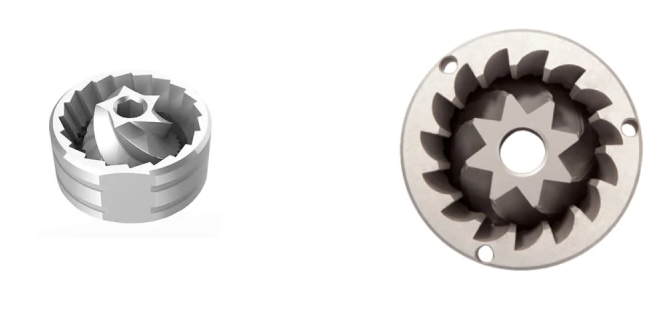
Grinder burrs, portafilter hardware and appliance mechanisms
View examples →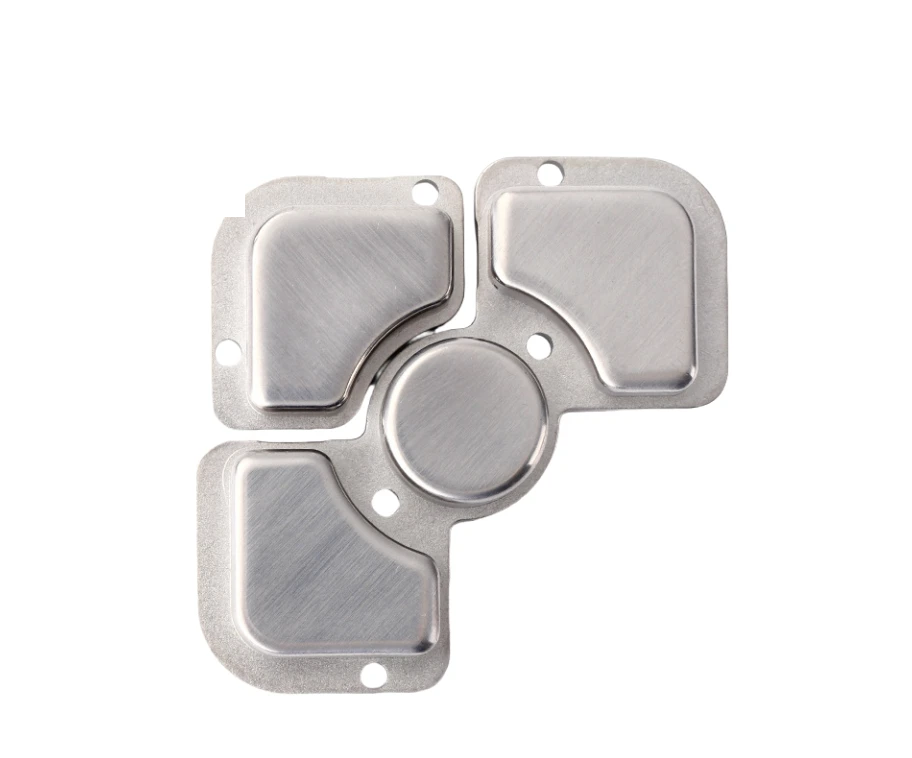
Buttons, communication-device parts, watch and camera hardware
View examples →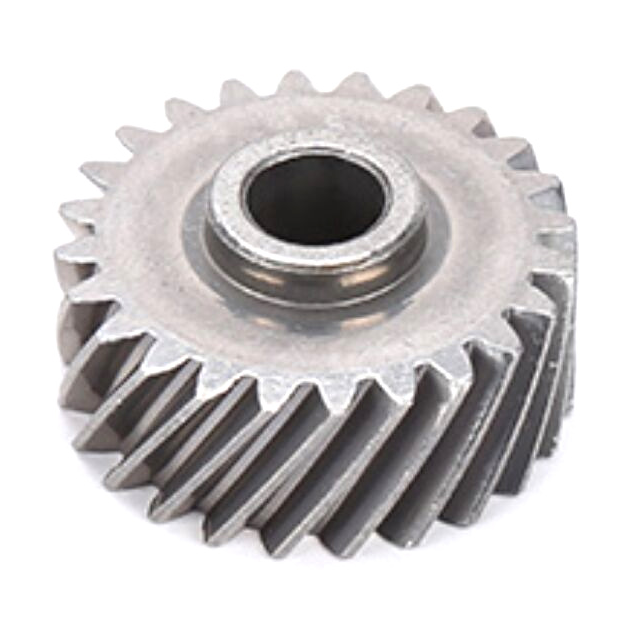
Spur, helical and bevel gears, plus supporting bushings
View examples →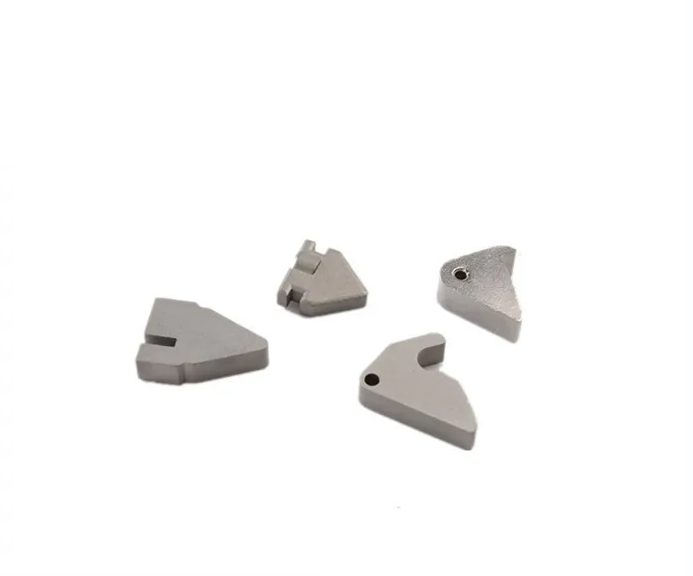
Spring bolts, deadbolts, cylinder parts and smart-lock hardware
View examples →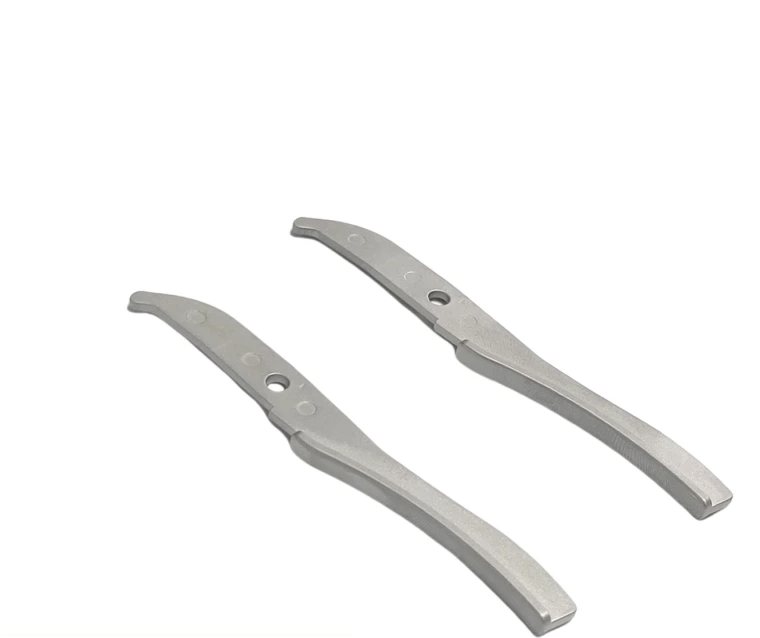
Forceps, tweezer and instrument component examples
View examples →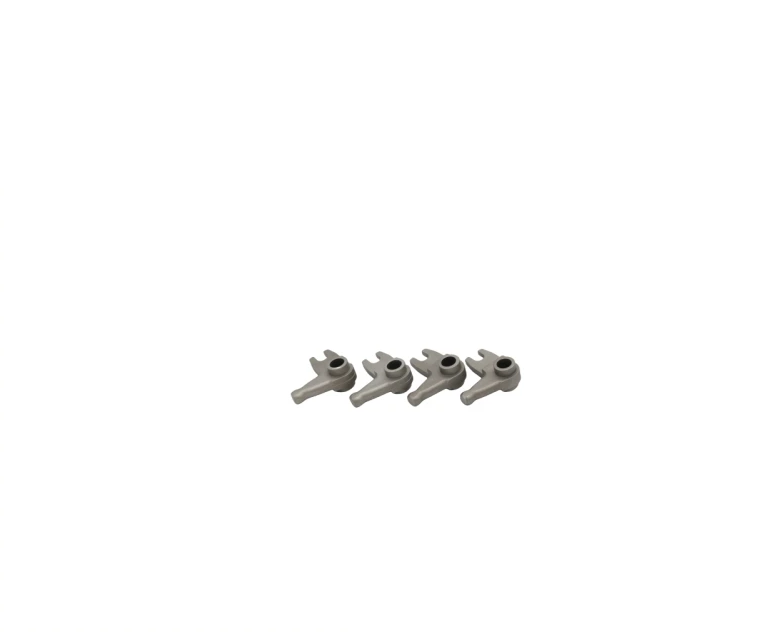
Tool gears, pneumatic forks, guide components and hardware
View examples →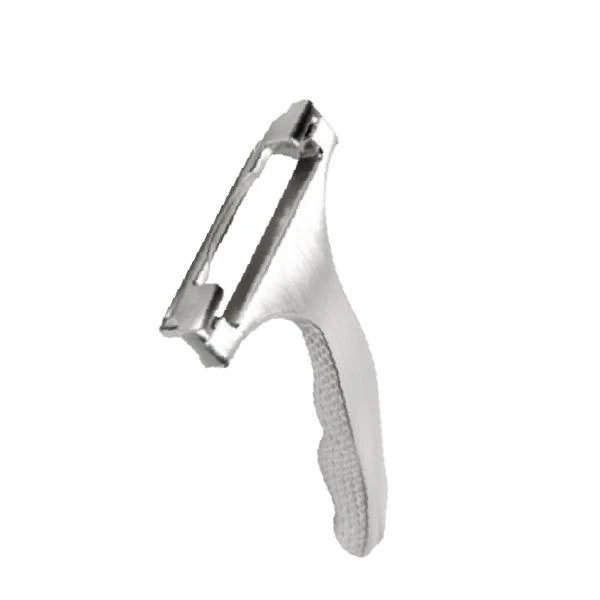
Agricultural, personal-care and drawing-specific metal parts
View examples →Small, integrated 3D features where geometry and repeat volume justify tooling.
Compaction-friendly gears, bushings and structural parts for repeat production.
Flexible machining or gear processes when volume, tooth form or precision drives the decision.
Sizing, machining, heat treatment and finishing on the features that require extra control.
Review geometry, material and volume, identify critical features and clarify the proposed tooling and secondary operations.
Define trial parts, dimensional checks, material confirmation and any customer-required functional approval.
Confirm the approved route, control plan, packaging and repeat-supply requirements for the program.
These are representative custom components. SINTS reviews new parts against customer drawings, material requirements and production needs.
Yes. Share the function, drawing and annual volume. Engineering can compare MIM, PM, machining and supporting operations.
A 2D drawing or 3D model, material target, annual quantity, critical dimensions, application and any finishing or inspection requirements.
Sample quantities, dimensional reports, material confirmation and any required approval documents are agreed for the customer program.
Share the drawing, function, material, annual quantity and priority requirements. If information is incomplete, describe the intended use and project stage.