
Illustrative engineering review. Performance, cost and production requirements are assessed for each project.
Why geometry can drive the process decision
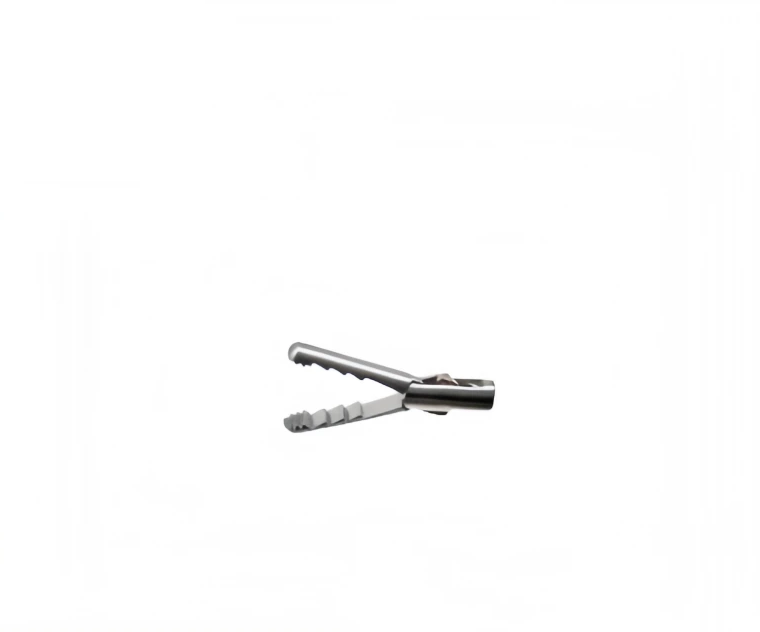
Small jaws and instrument components may combine serrations, curved profiles, thin sections, pivots and internal features that are awkward to access with cutters. MIM can become interesting when those features can be moulded together and the annual volume supports tooling.
316L is only part of the specification
Material grade alone does not define suitability. The project also needs agreed density, mechanical properties, corrosion expectations, surface finish and any project-specific cleanliness or documentation requirements.
Critical dimensions still need a finishing strategy
Pivot bores, mating faces or features controlling jaw alignment may require secondary machining or grinding. A useful DFM review separates dimensions that can remain as-sintered from those that truly need post-sinter finishing.
Surface and inspection planning
Serrations, edges and contact zones should be reviewed for function rather than appearance alone. Inspection may combine CMM or optical checks with roughness, hardness, density and material documentation according to the drawing.
Medical and regulated applications require project-specific review
SINTS evaluates stainless-steel precision components against project requirements. Traceability, cleanliness, validation and applicable regulatory requirements must be defined for the specific program.
Specifying 316L precisely. A grade name alone leaves room for interpretation, so instrument components are usually specified against a published reference. ASTM B883-24 covers metal injection moulded ferrous materials, MPIF Standard 35-MIM — Materials Standards for Metal Injection Molded Parts publishes properties for the common MIM material families and ISO 5755:2022 covers sintered metal material specifications. 316L carries the UNS number S31603, which makes the specification unambiguous. None of these references establishes suitability for a clinical application — that determination requires project-specific material selection, verification and regulatory review.
When CNC may still be better
Prototype quantities, frequent geometry changes, large parts or features requiring extensive tight-tolerance finishing can favour machining. The correct route depends on the complete drawing and production plan.