
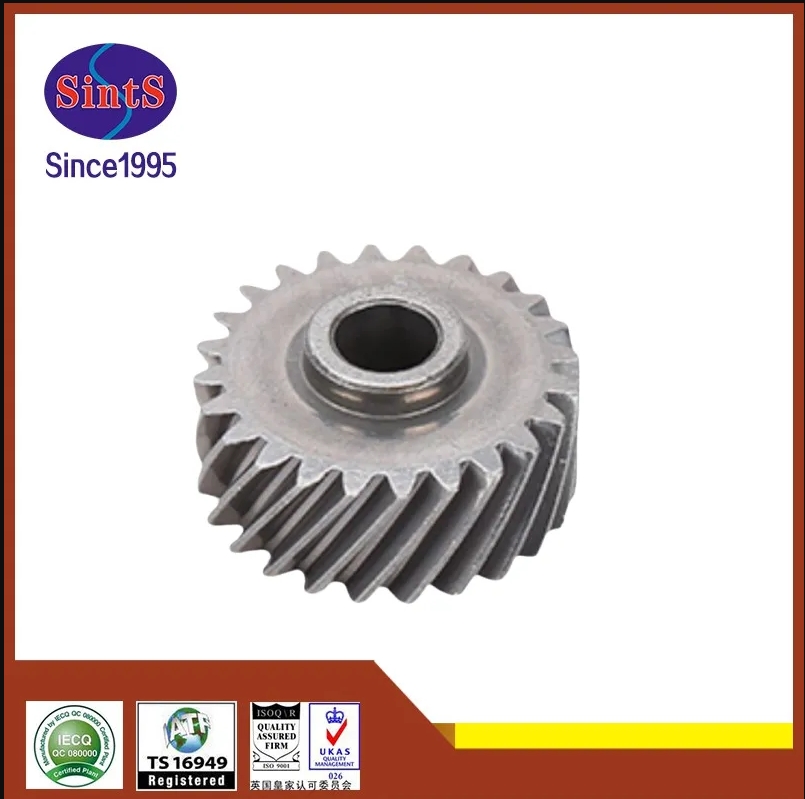
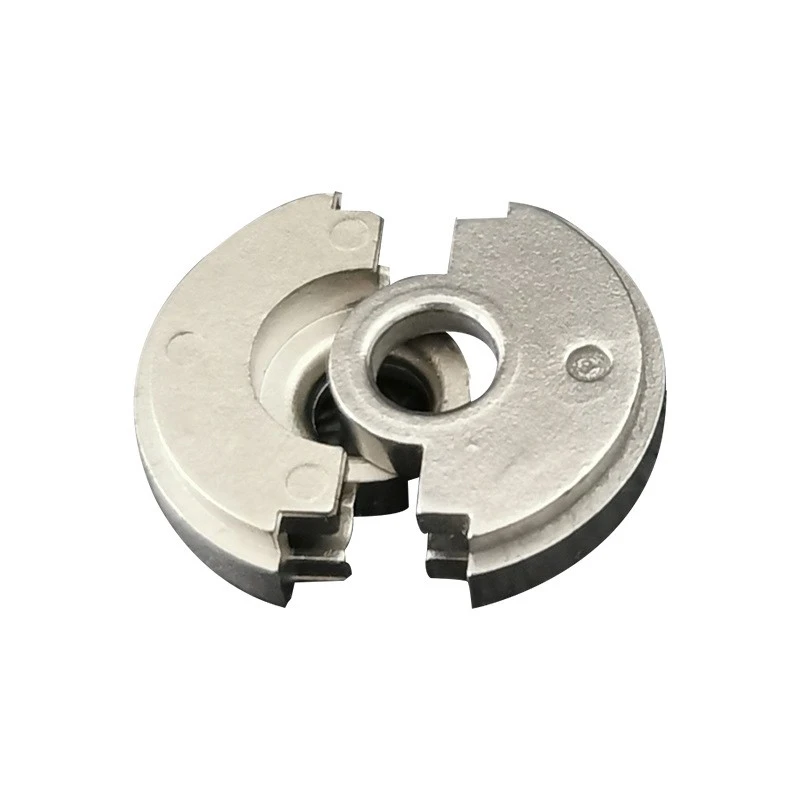
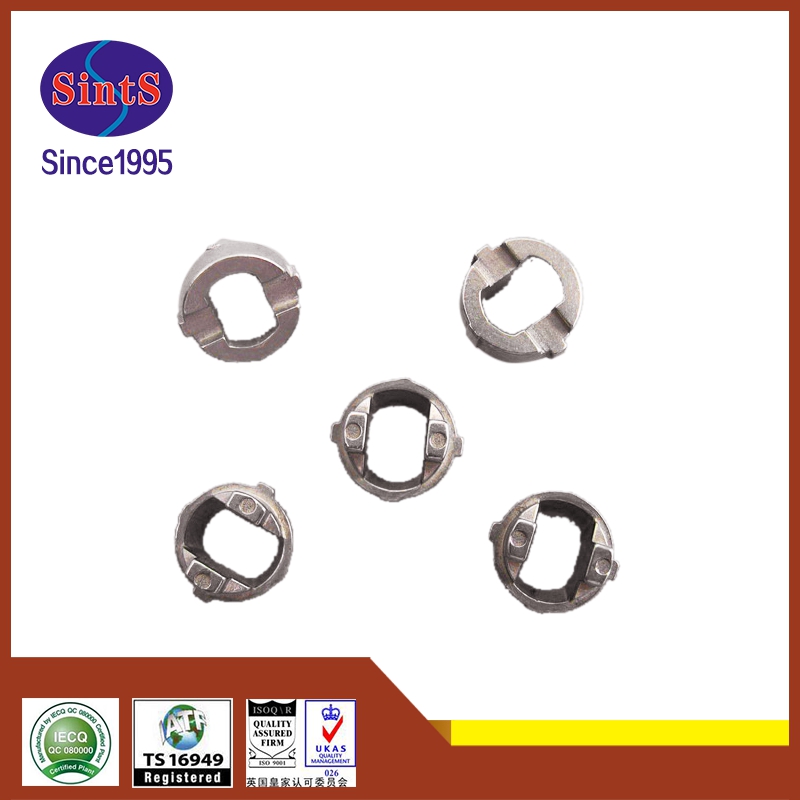
Prototype Development
Quick-turn development support when geometry, tolerance, or testing needs make machining the right early-stage route.
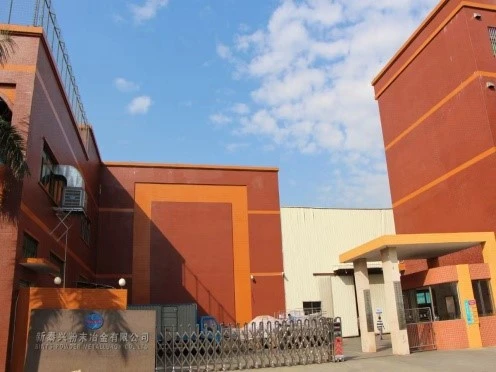
CNC pages work best when they make clear whether the service is for stand-alone machined parts, support for development programs, or finishing and detail work after another forming route.
This page should explain how machining complements the broader SINTS manufacturing offer.
Quick-turn development support when geometry, tolerance, or testing needs make machining the right early-stage route.
Threading, finishing, and tighter-feature support after MIM or powder metallurgy where the final part needs additional precision.
Machined components for projects where volume, geometry, or material selection points to CNC as the better primary route.
This detail page can later branch into materials, finishes, and prototype workflow guidance.